Alcohol has been around for thousands of years, and so have the stories about it. Some are handed down by grandparents. Some are repeated at every bar. Many sound so sensible that nobody ever checks them.
But when scientists do check, a surprising number of these beliefs turn out to be wrong, or only half right.
Here are seven of the most common ones, and what the evidence actually shows.
Myth 1: Red Wine Is Good for Your Health
The story goes that red wine is full of resveratrol, a natural plant compound, and that it protects the heart and body.
The reality is more complicated. Scientists still debate whether resveratrol helps people at all. Even if it does, you’d have to drink so much red wine to get a useful amount that the harm from the alcohol would outweigh any benefit. Researchers who study resveratrol agree on that.
There is some interest in very small amounts, around one to four small glasses a week. But the evidence is thin, and it’s no reason to start drinking for your health.
Myth 2: A Little Poison Makes You Stronger
You may have heard the idea that small doses of something harmful make you tougher. That works for some things, like short bursts of cold or exercise.
It doesn’t work that way with alcohol. Alcohol damages cells, and repeated exposure doesn’t toughen them. In the big picture of research, zero alcohol is better for your health than a little, and a little is better than a lot.
Myth 3: Eating Will Sober You Up
It seems logical: if you’re drunk, grab some food and the alcohol will soak up.
Food does help, but only before and during drinking. A meal with carbs, fat and protein slows how fast alcohol enters your bloodstream. Once the alcohol is already in your blood, which can take as little as five to ten minutes on an empty stomach, eating won’t sober you up. It only softens the effect of whatever you drink next.
Myth 4: The Best Hangover Cure Is Another Drink
This old trick is called the “hair of the dog.” It does ease the headache for a little while, because alcohol widens blood vessels that had tightened up.
But it simply delays the problem. A worse hangover shows up later. A better plan is water with electrolytes, foods that help your gut bacteria, and time.
Myth 5: Sugary Drinks Cause the Worst Hangovers
Many people blame the sweet stuff in cocktails. It makes sense, but the research points elsewhere.
When scientists compared drinks, the lowest hangover risk came from plain alcohol mixed with orange juice, a very sugary drink. The highest came from brandy, then red wine, rum and whiskey.
The difference seems to come from congeners, natural by-products that give drinks their flavor and color. Darker drinks usually carry more of them, and they appear to harm the gut. So the color of your drink may say more about tomorrow than the sugar does.
The amount still matters most. Too much of anything means a rough morning.
Myth 6: A Drink Helps You Sleep
A drink makes you drowsy, so it seems like a sleep aid. But the sleep you get is lower in quality.
Even one glass of wine or one beer disrupts both deep sleep and dream sleep, the two stages your body relies on to recover. After heavier drinking, sleep can turn into a restless doze with several wake-ups you might not remember.
So you may fall asleep faster, but you wake up less rested.
Myth 7: Some Drinks Are Safe During Pregnancy
This one is the most serious. You may hear that champagne or a glass of wine is fine for a pregnant woman, while beer is not. That’s false.
Alcohol is alcohol. There is no evidence that any type is safer for a developing baby. Alcohol passes easily from mother to baby and can disrupt the careful, step-by-step way a baby’s brain, face and organs are built. This can lead to fetal alcohol syndrome, which can cause lasting problems.
If someone didn’t know they were pregnant and drank early on, that can’t be undone. But effects range from mild to severe, and a baby’s brain is very adaptable early in life, so a doctor can help from there.
Going forward, the advice is simple: no alcohol during pregnancy. If that feels hard, ask a doctor for support.
Bonus: Who Really Invented Distilling?
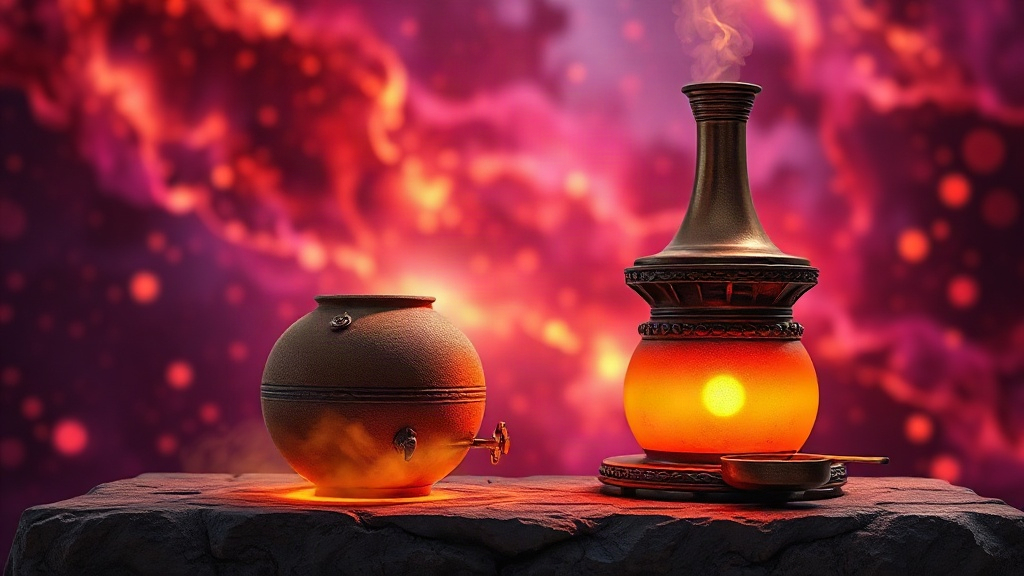
Many people believe the Irish were the first to distill alcohol, which means turning a weak drink into a stronger one. Not so. The earliest known distilling happened in China around the first century.
People have been making wine for much longer. Wine vessels from ancient Mesopotamia are about 5,000 years old.
How to Use This
- Question the story. When someone says a drink is healthy, ask what the evidence is.
- Plan ahead instead of fixing later. Food, water and pacing work before and during drinking, not afterward.
- Choose by amount, not by color or sweetness. How much you drink matters most.
- Share what you know. Especially the pregnancy fact.
Facts Make Better Choices
None of this is meant to spoil anyone’s evening. It’s meant to swap folklore for facts, so the choices you make about drinking are really yours.
Today, pick the myth you believed most and tell one person the real story over a meal or a text. Passing it on is the best way to make it stick, and it might spare someone a rough morning or something worse.