
Should You Try a Longer Fast? What the Research Says

Alternate-day fasting and 5:2 can work fast, but they’re hard to keep up. See what studies show, what they don’t, and why a daily window still wins.
What Really Decides Weight Loss (It’s Not the Diet)

A year-long Stanford study found low-fat and low-carb dieters lost about the same. Learn what really decides weight loss and how to pick a plan you can keep.
Your Brain Takes Out the Trash While You Sleep
Every night your body clears old cells and your brain sweeps out waste, but only when the kitchen is closed. Learn how a late snack gets in the way.
Want to Keep Your Muscle? Eat Your Protein Earlier

Your muscles run on a body clock, and they use protein best early in the day. Learn the 10 a.m. rule and how to fit it into an eating window.
The 20-Minute Walk After Dinner for Blood Sugar
A gentle walk after dinner helps your body handle food sugar faster. Learn why your dinner lasts longer than you think and how to build the habit.
Your Liver Needs a Break From Food
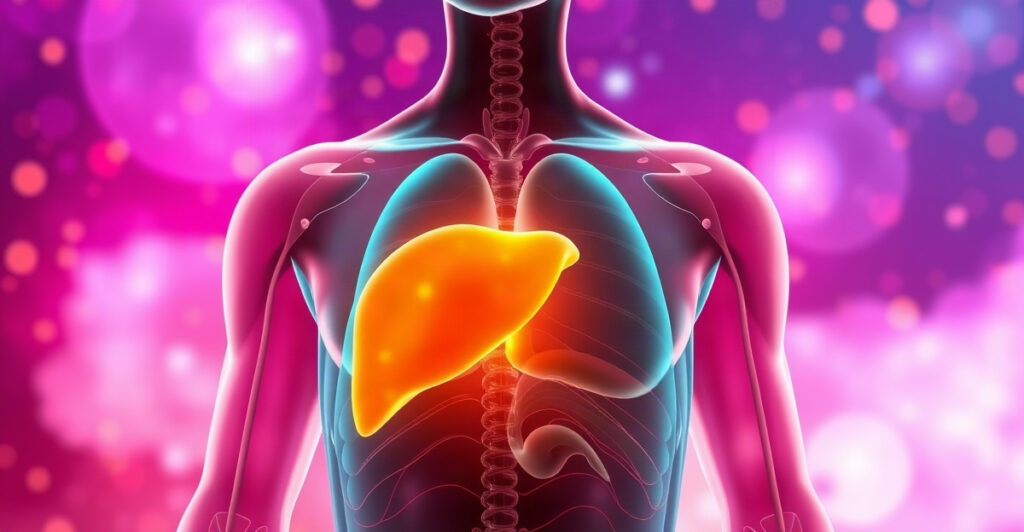
Eating across 14 to 18 hours keeps your liver and gut on the clock. Learn how a daily break from food helps, plus the surprising role of brown fat.
Why It’s Easier to Skip Meals Than to Eat Half a Croissant

If stopping at half a portion feels impossible, it’s not your willpower. Learn why a set eating window can be easier than portion control, and how to start.
Does Coffee Break a Fast? What Actually Counts

Does milk, a peanut or a sweetener break your fast? Learn the fed versus unfed rule, the easy calls, the gray zone, and three simple rules to follow.
Feeling Shaky Before Lunch? You May Need Salt

That lightheaded, shaky feeling isn’t always hunger. Learn how electrolytes affect your nerves and how a pinch of salt in water can steady you.
When You Eat Matters as Much as What You Eat
The time of day you eat sends powerful signals to your whole body. Learn how your food clock works and where to place your eating window.