
Think of your home after a long day. Dishes in the sink, crumbs on the floor, mail piling up. Now imagine a cleaning crew arrives every night while you sleep and sets everything right.
Your body has a crew like that. The trouble is that it can only work properly when the kitchen is closed.
The Overnight Cleanup Crew
When you sleep, your body gets busy. Two big jobs happen overnight.
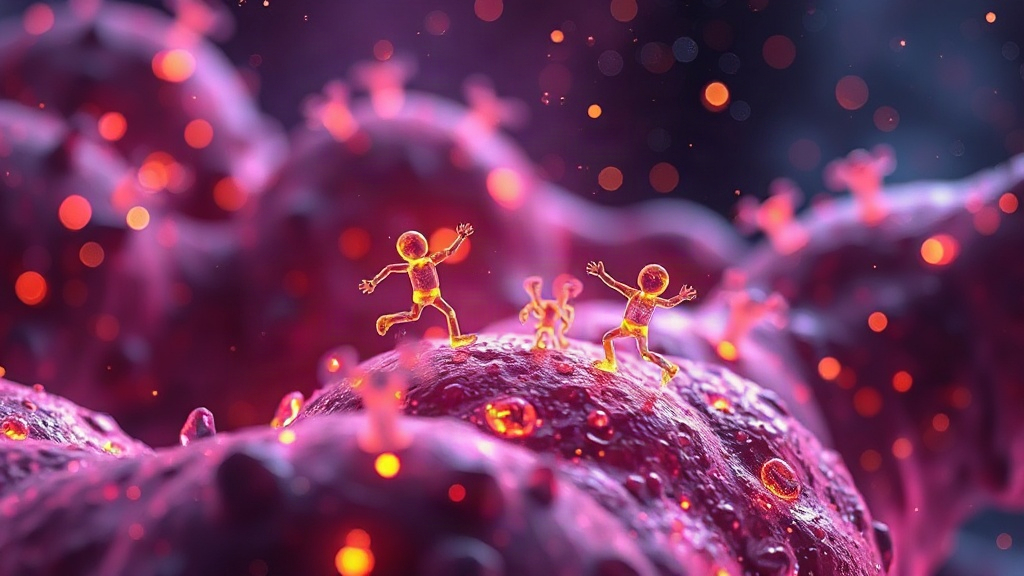
Job one: clearing out old and damaged cells. Your body has a built-in process that gobbles up worn-out cells and fixes the ones that can be saved. Scientists call it autophagy, which means “self-eating”. It sounds odd, but it’s how your body keeps itself fresh. It happens mostly during sleep, and any kind of fasting helps it along.
Job two: sweeping out your brain. Fluid flows through the brain at night, carrying away waste that builds up during the day. Think of it as a garbage truck making its rounds. This is linked to sharper thinking and to protection against memory problems later in life.
The same sort of tidying happens in your liver, your gut and the rest of your body too.
Why a Late Snack Gets in the Way
Here’s the part most people miss. Your body doesn’t start cleaning up while it’s still digesting. And digestion takes a while: about five to six hours for a typical meal, even longer for a big or fatty one.
So picture this. You have a late dinner, then a snack at 10:30, then you go to bed at 11. For the first five or six hours of your night, your body is still working on food. The cleanup crew arrives and finds the kitchen still busy.
The effect can be surprisingly sensitive. In one study, even a single gram of sugar after dinner, less than a teaspoon, was enough to shake up the body clock genes that handle overnight fasting and sleep.
The flip side is encouraging. A longer gap between your last bite and your next meal gives the crew more time to work.
Light and Timing Work Together
About 80% of your genes follow a 24-hour schedule, rising and falling like shifts at a factory. Two things keep that schedule on time.
The first is light. Bright light in your eyes during the day, ideally sunlight, and darkness at night tells your body what time it is. Bright light in the middle of the night throws it off.
The second is food. A regular eating window during daytime hours helps lock the schedule in place. Eating whenever you like, across the whole day and into the night, makes the schedule messy.
You can see it with a simple example. If your window is noon to 8 on weekdays but slides to 11 to 9 on weekends, that’s like flying across a time zone and back every week. Your body can take a couple of days to recover. Bright light early in the day can help soften the effect.
Five Ways to Protect Your Cleanup Time
- Close the kitchen two to three hours before bed. That includes drinks with calories. Water, plain tea and black coffee are fine.
- Keep dinner on the lighter side. Big, fatty meals take the longest to clear.
- Take a short walk after dinner. Twenty or thirty minutes of easy movement helps your body use up the sugar from your meal faster, so you get to the “cleaning” stage sooner.
- Sleep a full night. Aim for about eight hours in bed, since much of the work happens while you sleep.
- Hold your schedule on weekends. A steady window and steady light help your body clock stay in rhythm.
And skip the nightcap. Even a half glass of wine a couple of hours after dinner counts as eating, as far as your body is concerned.
Tonight’s Small Change
Pick a cutoff time for tonight. If you go to bed at 11, make it 8 or 9. Brush your teeth early if it helps you stay away from the fridge.
Then go to bed and let the crew do its work.
No expensive gadgets, no complicated rules. You’re just giving the body’s built-in cleaning system a clear shot at its night shift.