
Skipping breakfast is one thing. But what about skipping an entire day of food? Some people do it every week, and some do it every other day.
Before you try something like that, it helps to know what the research actually shows, and what it doesn’t.
The Longer Plans People Try
Beyond the daily eating window, a few longer plans get a lot of attention:
- Alternate-day fasting. You eat normally one day and don’t eat the next, or you eat only about 500 to 600 calories on the “off” day.
- Five and two. You eat normally for five days, then fast for two days, or eat very little, around 300 to 500 calories, on those days.
- Longer fasts. Some people try a 24-hour or 36-hour fast, or more.
The daily eating window is different. You still eat every single day, just in a shorter stretch. These plans skip whole days of food.
What the Studies Found
The good news first. Alternate-day fasting has been tested and written up, and it seems safe for most healthy people. In those studies, people didn’t lose bone and didn’t suffer any major harm.
It can also work fast. People lost significant weight, including those who started out obese, and their resting blood sugar came down. In many cases, results came faster than with a daily eating window.
So why doesn’t everyone do it?

The Catch
For most people, it’s hard to keep up. Fasting every other day gets in the way of work, workouts, family dinners and a social life. Think about a Tuesday with a big meeting, a hard workout and dinner with friends, and trying to do all of it on an empty day.
There’s also a gap in what scientists know. Few studies have followed people for long enough to see what happens afterward. Do people regain the weight? Does blood sugar creep back up? Nobody has answered that well yet.
You may also see claims online that long fasts can prevent or reverse dementia. As of now, there are no good, published clinical studies on that. Researchers are waiting for them. Treat those claims as hopes, not facts.
And real life is different from a study. People in studies are often paid and checked on. Outside of one, nobody is watching, and sticking with a plan is much harder.
Why the Simple Daily Window Still Wins
For most people, a daily eating window of about eight hours is the best-tested choice. It has been studied in animals and in people, in adults with extra weight and without, and even in a few children. It fits around work, workouts and meals with family. And it’s something most people can do for years, which is where it counts.
It also seems to be gentler on your body. Plans that restrict food too hard or for too long can push stress hormones up, lower sex hormones and affect fertility. A steady daily window doesn’t carry the same worry.
That doesn’t mean longer fasts are bad. They can work, and some people like them. It just means the daily window has the strongest case behind it, and it’s much easier to live with.
What Fasting Does Inside: Growing vs. Repairing
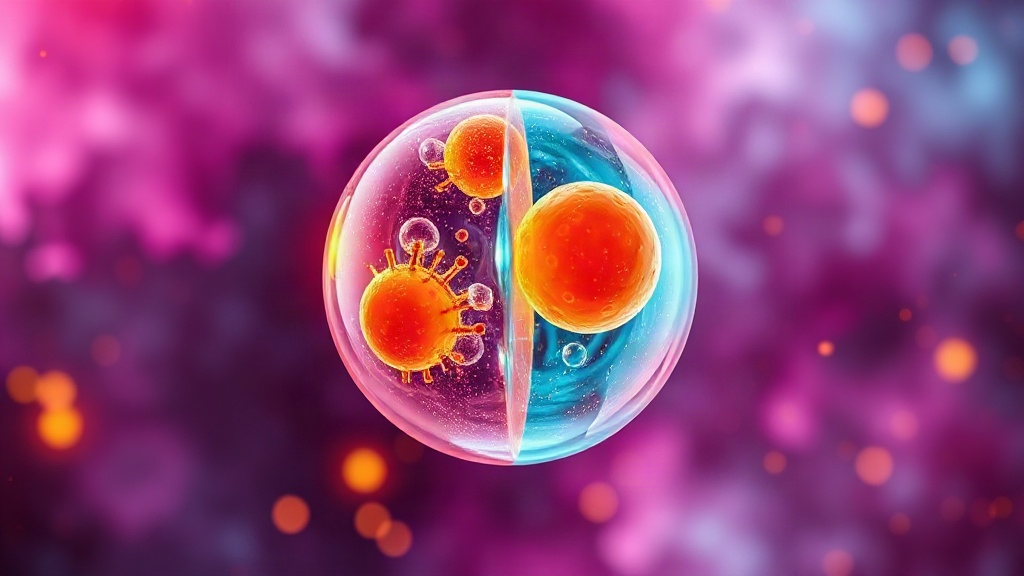
Here’s a simple way to think about why fasting seems to matter. Your cells have two modes.
In growing mode, your cells build and multiply. A protein called mTOR drives it. It’s most active when you’ve just eaten. Any food, plant or animal, switches it on.
In repair mode, your cells clean up and fix themselves. Helpers with names like AMPK and sirtuins take over. They rise when you haven’t eaten for a while.
You need both, and they take turns. Trouble comes when you’re stuck in growing mode all day because you’re always eating. A fast gives repair mode its turn.
That’s also why some people use blood-sugar-lowering helpers, which seem to push the body toward repair mode even after a meal. Use caution and talk to a doctor before trying them.
A Smart Way to Start
If a longer fast tempts you, build up to it. Get comfortable with a steady eight-hour window first. See how your body, mood and energy respond. Then talk to your doctor before trying anything longer, especially if you have diabetes, take medication or are underweight.
You don’t have to do the hardest version to benefit. A daily break from food is the habit with the best evidence, and it’s one you can start tonight.