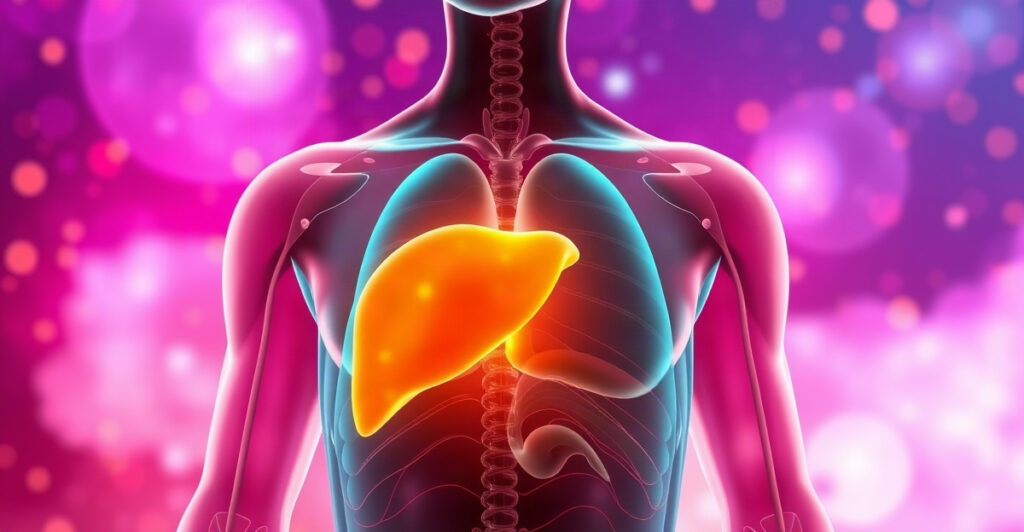
Your liver works every hour of every day. It helps handle the food you eat, makes important hormones and keeps your energy supply running.
But there’s one thing it can’t do well: its job while you keep feeding it nonstop. Like any hard worker, it needs a break.
A Problem That Barely Existed 30 Years Ago
Fatty liver disease means fat builds up inside the liver where it doesn’t belong. Not long ago, doctors mostly saw it in people who drank heavily.
Today, it’s turning up in people who don’t drink at all. Adults have it. Children have it. Some are overweight, and some aren’t. It’s growing every year, and it’s now one of the major health worries of our time.
Many things play a part. But one cause that gets far too little attention is simple: how many hours a day we spend eating.
What Happens When You Eat All Day
Every time you eat, your body goes to work. It breaks the food down, moves it along and uses it. That takes energy, and it switches on swelling-type signals, the same ones your body uses to respond to infections and injuries. Those signals are useful for a short time after a meal.
The trouble comes when you never let them switch off. If you’re eating across 14, 16 or even 18 hours, those signals stay on for most of your day. The liver gets worn down.
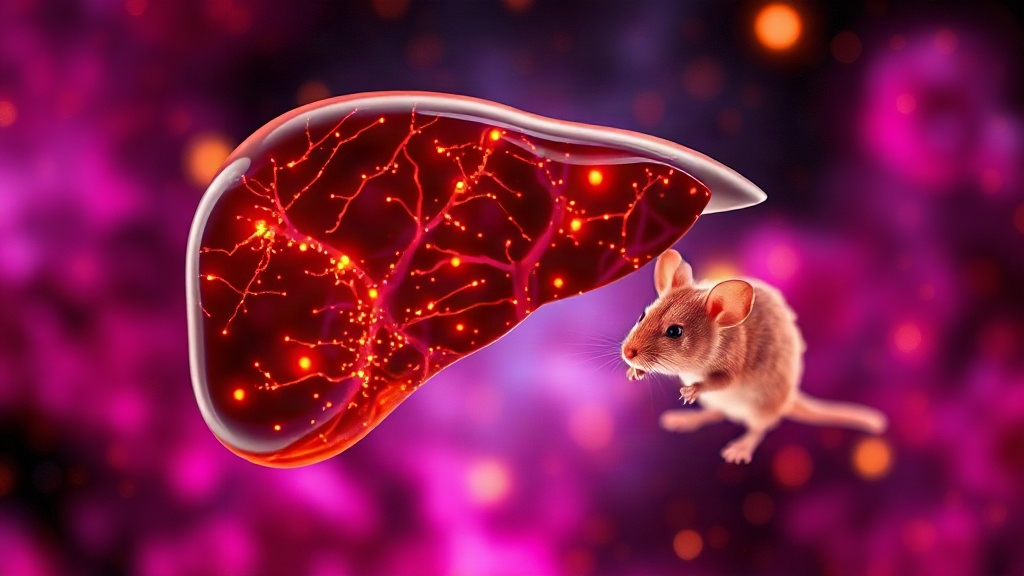
The proof came from an experiment with mice. All of them ate the same number of calories of the same rich food. The mice that could eat any time of day developed fatty, unhealthy livers. The mice that ate only during an eight-hour window were protected, and some of their earlier liver damage even began to reverse.
Studies in people have since found a similar pattern. Keeping your eating to a set window each day looks good for the liver in both mice and humans.
A Daily Break Helps Your Gut Too
The liver isn’t the only winner. Your gut seems to benefit as well.
Research suggests that eating within a window of about eight hours can help people with irritable bowel problems and other gut inflammation. The reason is tied to your body clock, which also controls the slimy protective lining inside your gut. A steady eating schedule appears to encourage the helpful bacteria that keep that lining healthy and to cut back on bacteria linked to metabolic problems.
So a simple daily break from food does something for your stomach, your liver, and the swelling signals running through your body. And it doesn’t cost anything.
It’s a good time to say that scientists are still learning. Some of the liver proof comes from animals, and human studies are still building up. Treat this as a smart, low-risk habit, not a cure.
The Surprising Role of Brown Fat
You have two kinds of fat. The kind you probably think of is white fat, the soft kind that sits around your belly. But you also carry a little brown fat, tucked deep between your shoulder blades and at the base of your neck. It’s not the blubbery kind. Its job is to burn energy and make heat, which helps keep you leaner.
A recent study found that people with less brown fat were more likely to have fatty liver disease. The good news is that you can build more. Two things seem to help:
- Cold. Short cold exposure, from one to three minutes, two to four times a week (some people go up to ten minutes), can raise your brown fat.
- Time-restricted eating. Eating in a set window has also been linked to more brown fat, probably because fasting raises adrenaline, which brown fat responds to.
If you try cold showers or baths, go slowly and stay safe.

How to Give Your Liver a Break
- Pick a window. Aim for about eight hours of eating, such as noon to 8 p.m. Anything much longer, like 14 hours or more, is the range linked to trouble.
- Stop eating two to three hours before bed. Your liver does a lot of its repair work during an overnight rest from food.
- Wait an hour after waking. Skip food for at least the first 60 minutes of your day.
- Keep it regular. The same window every day works better than one that wanders.
- Ease in. Shrink your window by about an hour a day over a week or so.
- Check with your doctor if you have a health condition. That includes diabetes or any liver problem, and especially if you take medication.
Start With the Kitchen Light
Tonight, decide on a time to close the kitchen. Make it two or three hours before bed. Write it down, or set a reminder on your phone.
That’s it. One small decision, repeated every evening, gives your liver and your gut a longer break each day.
You can’t see your liver. But you can give it a little room to rest.