Your grandmother probably told you to take a walk after dinner. It turns out she was onto something.
A gentle stroll after a meal helps your body deal with the sugar from your food faster. It costs nothing, takes about 20 minutes, and may be one of the easiest health habits there is.
Why Your Blood Sugar Is Worth Watching
Blood sugar, also called blood glucose, is the fuel level in your bloodstream. It rises after you eat and falls when you don’t.
Here’s the catch. As most people get older, their resting blood sugar slowly creeps up, year after year. In people, higher resting blood sugar goes along with a shorter life. Your metabolism doesn’t slow down as much with age as people once thought. The blood sugar climb is the bigger problem, and it happens unless you do something about it.
That’s why small habits that keep blood sugar in check are so valuable. You don’t need a miracle. You need things you can do every day.
Your Dinner Lasts Longer Than You Think
You finish eating at 8 p.m. Does your body finish at 8 p.m.? Not even close.
A meal takes five to six hours to clear out. Big meals take longer. Meals with a lot of fat take longer than light ones. Liquid calories pass through faster. During all that time, your blood sugar and insulin, the hormone that moves sugar out of your blood, stay raised.
So if you sit on the couch after dinner and head to bed an hour later, you carry a full load of digesting food into the night. And rest and repair, the work your body does best on an empty stomach, has to wait.
What a Walk Does
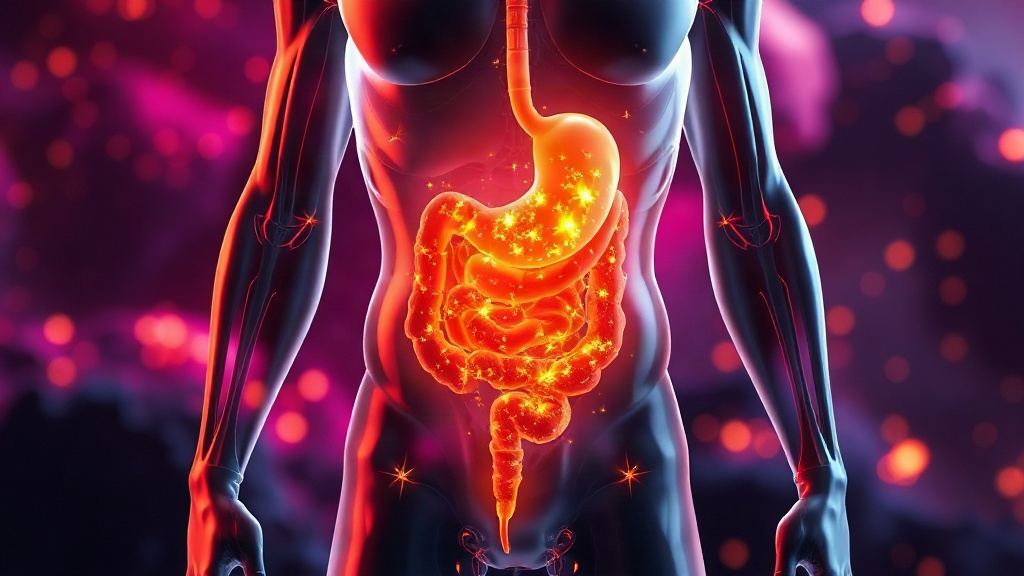
Movement makes your muscles pull sugar out of your blood to use as fuel. It also helps food move through your stomach faster. A 20 to 30 minute easy walk can cut that five or six hour wait down by a lot.
It doesn’t have to be a power walk. It doesn’t have to be a jog. Just walking outside, or around the house, does the trick.
No room to walk? Some people do a few air squats or push-ups instead, which also help muscles take up sugar. Most people prefer the walk. It’s gentler after a big meal and it’s a nice way to end the day.
Timing Matters for Harder Workouts
Hard workouts, the kind that get your heart pounding in short bursts with rests in between, act differently depending on the time of day.
Done early in the day, they tend to push blood sugar up, because the body is sending fuel to tired muscles. That’s not bad. Plenty of people feel and perform best in the morning, and that’s fine.
Done in the afternoon or evening, the same kind of workout tends to bring blood sugar down. That helps your body slide into rest mode before sleep, as long as you don’t eat right afterward.
One warning: if the workout or the caffeine you used to get through it keeps you awake, you lose more than you gain. Good sleep comes first.
Other Helpers, and Some Cautions
- Lemon or lime juice. A squeeze in water can nudge blood sugar down a bit.
- Cinnamon. It has a mild blood-sugar-lowering effect.
- A glucose monitor. A small patch worn on the skin tracks blood sugar all day. It’s a good way to see how your own body reacts to different foods and habits.
You may also hear about berberine, sold over the counter, and metformin, a prescription drug. Both lower blood sugar sharply. They can also cause headaches or a blood sugar crash, especially on an empty stomach, and people react to them very differently. Talk to a doctor before trying either one.
In fact, talk to your doctor before making any big change to how you eat or exercise, especially if you have diabetes. For almost everyone else, a walk is a safe place to start.
Tonight’s Plan
After dinner, put on your shoes and walk for 20 minutes. Leave your phone in your pocket, if you can. Look at the sky, say hello to a neighbor, let your food settle.
Do it again tomorrow. In a week, it’s a habit. In a year, it’s a quiet, free way to take care of your future self.
Small habits like this don’t make headlines. But they’re the kind that add up.