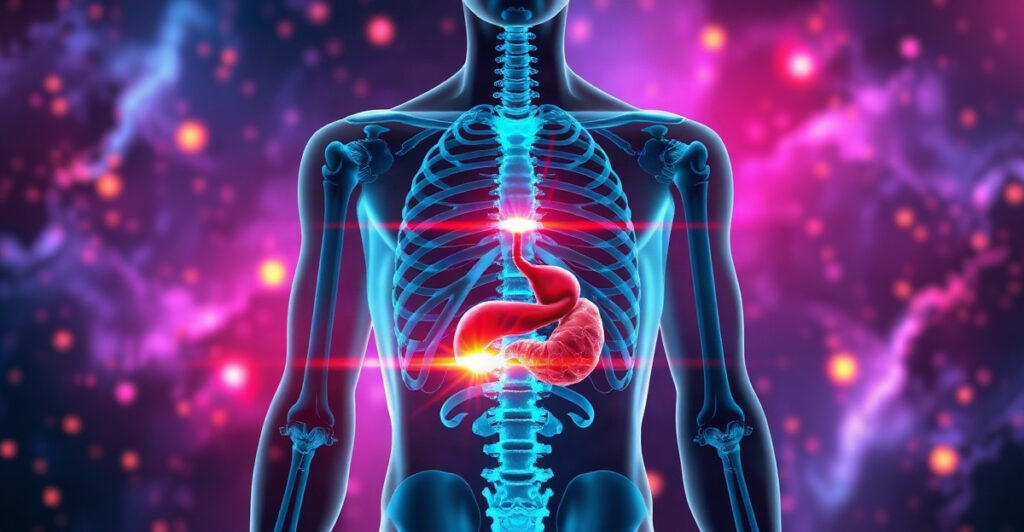
You overeat when you’re stressed because your stress hormone cortisol turns up your appetite and your brain’s craving system while the part of your brain that usually says “maybe not” goes quiet. It isn’t a character flaw. It’s biology doing exactly what it evolved to do, just aimed at the wrong problem for modern life.
Once you see the actual wiring behind a stressful day turning into a bag of chips, the shame that usually comes with it tends to drop away. What’s left is something you can actually work with.
Why does stress make you eat more?
Stress makes you eat more because your body releases the hormone cortisol, and cortisol tells your brain you need fuel, fast. Harvard Health explains that a short burst of stress can actually shut your appetite off at first, since your body floods you with adrenaline and gets ready to fight or run. But when the stress doesn’t let up, cortisol takes over, and cortisol does the opposite of adrenaline. It switches hunger back on, and it switches it on hard.
That’s the flip a lot of people notice without knowing why. You skip lunch during a chaotic morning, then can’t stop eating by eight that night. Same stressful day, two completely different hormones running the show.
What’s actually happening in your brain when you stress eat?
Your brain runs two separate hunger systems, and stress leans hard on the one you can’t easily out-think. A 2017 review in the journal Gastroenterology, from researchers at Pennington Biomedical Research Center, lays out the split. One system is need based. It tracks your actual fuel levels, kind of like a thermostat for energy. The other is want based, sometimes called hedonic eating, and it fires off for a warm cookie whether your tank is full or not.
Stress pushes hard on that want based system. It’s why a plate of vegetables can hold zero appeal after a brutal meeting, while a sleeve of cookies suddenly sounds like the only reasonable choice you have left.
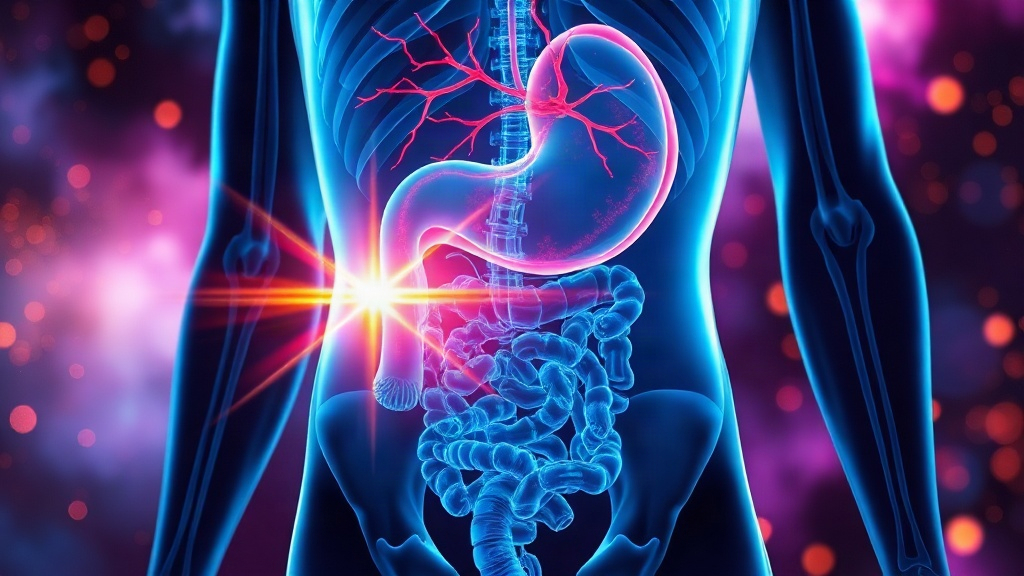
Does cortisol really make you crave sugar and fat?
Yes, and researchers have actually measured it happening. In a 2001 study published in Psychoneuroendocrinology, Elissa Epel and her team at the University of California, San Francisco put 59 women through a stressful task on one day and a calm task on another, then tracked what they ate afterward. The women whose cortisol spiked the most after the stressful task ate the most food afterward, and reached specifically for sweet, fatty options. On the calm day, the same women ate like normal.
That’s a hormone driving the craving, measured in a lab, not a willpower story someone made up after the fact.
Why does processed food make stress eating so much worse?
Processed food makes stress eating worse because it slips past the signal that’s supposed to tell your brain you’re full. In 2019, researchers at the National Institutes of Health ran a tightly controlled trial, published in Cell Metabolism, where 20 adults lived in a research center and ate all they wanted from either a mostly ultra-processed menu or a mostly whole-food menu, matched for calories, sugar, fat, salt, and fiber, then swapped after two weeks.
On the processed weeks, people ate about 500 more calories a day and gained weight. On the whole-food weeks, they lost it. Both menus tasted equally good, so flavor wasn’t the difference. Speed was. People ate the processed food about 17 calories a minute faster, and your gut needs roughly 20 minutes to tell your brain it’s full. If the bag is empty in ten minutes, that message shows up too late to matter.
What are the most common stress-eating triggers?
The most common stress-eating triggers are deadline pressure, poor sleep, conflict, and boredom paired with isolation, and each one pulls on your appetite through a slightly different path. Here’s how they tend to break down, and what actually helps in the moment.
| Trigger | What’s happening in your brain and body | Quick fix to try |
|---|---|---|
| Deadline pressure | Cortisol spikes and pushes you toward fast, sugary, fatty food | Eat a planned protein snack before the crunch hits, not during it |
| A short night of sleep | Your brain’s planning center quiets down while its craving center gets louder | Protect tonight’s sleep instead of trying to out-plan tomorrow’s craving |
| Conflict or a hard conversation | Adrenaline blunts appetite first, then cortisol swings it back up hours later | Take a ten-minute walk before you decide what to eat |
| Boredom and isolation | Eating stands in for the reward your brain isn’t getting anywhere else | Text a friend or step outside for a few minutes first |
Why do you crave sugar and fat specifically, not something healthy?
You crave sugar and fat specifically because your brain’s reward system may be running on a smaller signal than you’d expect, so it takes a bigger hit to feel the same payoff. In a 2001 study published in The Lancet, Nora Volkow and her team scanned the brains of people with obesity and found fewer available dopamine D2 receptors, the docking points your brain uses to register reward. Fewer open docks likely means a normal meal delivers less satisfaction, so the brain goes looking for something richer, sweeter, or more of it.
Nobody’s fully sure which comes first, the eating pattern or the receptor change. But it lines up with what a stressed-out craving actually feels like. Not “I want food,” but “I want a specific, intense hit of food, right now.”
Does poor sleep make stress eating worse?
Yes, one bad night is enough to shift what you reach for the next day. In a 2013 study in Nature Communications, researchers at UC Berkeley scanned 23 healthy adults after a normal night of sleep and again after a night with none. Sleep deprived, the front part of the brain that weighs whether a food choice is smart went quieter, while the deeper region tied to craving and alarm got louder. People also reported wanting more high-calorie food, and the worse they felt, the stronger the pull.
Stress and short sleep tend to travel together, which is part of why a rough week can feel like your cravings are working against you from two directions at once.
Why does your body fight to keep the weight on after a stressful stretch?
Your body fights to keep weight on because it’s wired to defend against loss, and that defense can run for years. Researchers followed contestants from The Biggest Loser and published a six-year follow-up in the journal Obesity. Years after the show, participants’ bodies were burning roughly 500 fewer calories a day than expected for their size, and their hunger signaling had shifted to match.
That’s not a one-time event either. It’s a standing headwind, and a stressful season on top of it makes the pull toward extra food even stronger, since stress and hunger signaling lean on some of the same hormones.
What actually helps you stop stress eating?
What actually helps is changing what your stress response is reacting to, not gritting your teeth harder. Since the ultra-processed food study showed how much the environment matters, start there. Keep the fast, easy stuff out of arm’s reach and keep real food ready to grab instead.
Slow the meal down on purpose, since your fullness signal needs those 20 minutes to arrive. Put protein and fiber on the plate first, since they trip that full switch harder than sugar does. Protect your sleep like it changes your appetite, because the Berkeley study shows it does.
Give your stress an outlet that isn’t the pantry. A short walk, a call to a friend, or a few quiet minutes of slow breathing all lower cortisol without a single calorie involved. A lot of people find a regular short meditation practice works here, since it gives your nervous system a clear signal that the threat has passed. Writing the stress down works too. A few minutes with a journaling practice or a page of self-discovery journal prompts gives the feeling somewhere to go besides the fridge.
And drop the shame. Shame is its own stressor, and it just feeds the exact loop you’re trying to break.
Frequently asked questions
Why do I crave sweet and fatty food specifically when I’m stressed?
You crave sweet and fatty food when you’re stressed because cortisol drives you toward calorie-dense options, and those foods send a feedback signal that briefly calms stress-related brain activity, which is part of what makes the craving feel so specific and so strong.
Is stress eating the same thing as having no willpower?
No, stress eating is not the same as having no willpower. It’s driven by measurable hormone changes, mainly cortisol, along with shifts in brain regions tied to planning and craving, so the pull is physical, not a personal failing.
Can poor sleep make stress eating worse?
Yes, poor sleep can make stress eating worse, since even one night without enough sleep quiets the brain’s planning center and revs up its craving center, which pushes you toward higher-calorie food the next day.
How does cortisol affect hunger compared to adrenaline?
Cortisol raises hunger while adrenaline lowers it, which is why a stressful moment can kill your appetite at first and then leave you hungrier than usual once the adrenaline fades and cortisol takes over.
How long does it take to break a stress-eating pattern?
Breaking a stress-eating pattern usually takes a few weeks of consistent changes to sleep, food environment, and stress outlets, since you’re retraining a hormone-driven habit rather than just resisting a craving in the moment.
If you want an easy daily reset for your stress levels, livethelifeofyourdreams.org sends a free daily message from the universe along with a short abundance meditation, made for exactly the kind of day that used to end with you standing in front of the fridge. Get today’s free message here.