
It’s mid-morning. Your head feels light, your hands are a little shaky, and you can’t focus on anything. Your brain is yelling one word: food.
So you grab a snack, or a sugary coffee, and the feeling fades. You figure you were hungry.
But here’s a surprise. Sometimes that feeling isn’t hunger at all. Sometimes your body is just low on salt.
Your Brain Runs on Salt
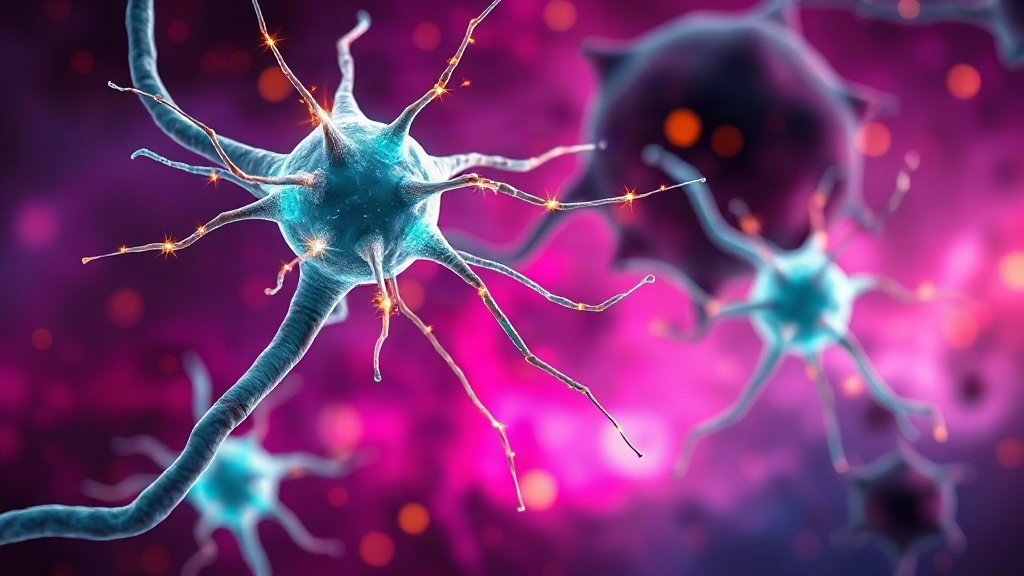
Every thought you have and every move you make is carried by tiny electrical signals in your nerve cells. Those signals travel by moving salts in and out of the cells. The main ones are sodium, potassium and magnesium. Scientists call them electrolytes.
When those salts run low, your nerves don’t fire as smoothly. You can feel it as lightheadedness, shakiness, trouble concentrating, or a gnawing urge to eat something right now.
That feeling looks a lot like low blood sugar, which is why most of us blame hunger. But it may not be your stomach talking at all.
Coffee can make it worse. Caffeine makes you lose extra water, and the salt goes out with it. So the person who skips breakfast and has two strong coffees is the most likely to hit that wall.
The Pinch-of-Salt Fix
The fix is almost too simple. Stir a small pinch of salt into a glass of water and drink it. Sea salt or Himalayan salt is nice, but plain table salt works fine.
Some people use up to about half a teaspoon, but start small. Many people say they feel steadier within minutes. The shakiness eases, their head clears, and that “I need to eat right now” feeling fades enough to wait for a real meal.
A few tips:
- Add lemon or lime if you like the taste. Citrus can also nudge your blood sugar down a little, so if it makes you feel worse, leave it out.
- Drink it first thing and again before you drink coffee. That way you’re not starting the day already low.
- Drink plenty of plain water too. Salt works best when you’re also getting enough fluid.
The point isn’t to avoid eating. It’s to know the difference between “I need food” and “I need salt”.
Why It Works So Fast
Salt does more than feed your nerves. It also helps your body hold on to water, which keeps the amount of fluid in your blood steady. When that fluid level dips, you feel lightheaded and weak. A little salt brings it back up.
It’s also why people who wait out a long morning without eating often say the first hour is the hardest part. Once salt and water are in place, the rest gets much easier. Many people even say their mind feels clearer and they enjoy the stretch before their first meal, instead of fighting it.
So before you decide that you can’t last until lunch, check the basics: have you had enough water, and enough salt?

When to Be Careful
Salt isn’t for everyone in every amount.
- High blood pressure. If you have chronic high blood pressure, go easy on sodium and check with your doctor first.
- Diabetes. If you’re diabetic, talk to your doctor before changing how or when you eat.
- Real hunger. Some people genuinely need to eat. If you feel truly faint or unwell, eat. Nobody should push through to the point of danger.
And don’t overdo it. A pinch in a glass of water is plenty. This isn’t a license to eat a spoonful of salt or drink seawater.
Try It Tomorrow Morning
Next time you feel shaky or foggy and reach for a snack, pause for two minutes. Drink a glass of water with a small pinch of salt first. Then notice how you feel.
If the feeling fades, you’ve learned something useful about your own body. You don’t always need food to feel steady, sometimes you just need the right ingredient.
What feels like hunger isn’t always hunger. Learning to tell the difference puts you back in charge.