Does a splash of milk break your fast? What about a handful of nuts, a sugar-free soda, or brushing your teeth?
Go online and you’ll find a confident answer for each one, and a lot of the answers contradict each other. That’s because most of them skip the one thing that actually decides it: what’s going on inside your body right now.
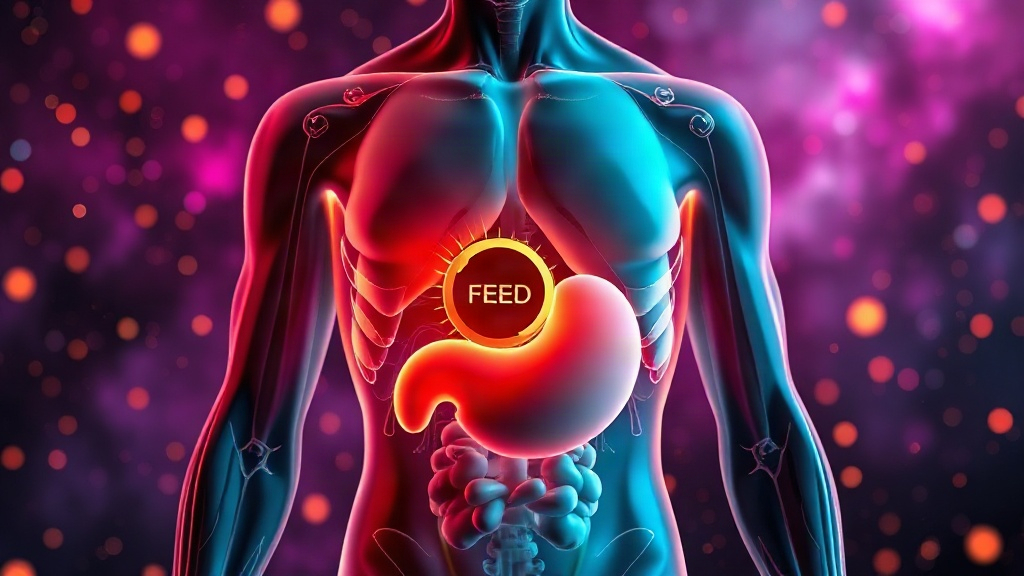
“Fed” and “Unfed” Are What Count
The moment you swallow your last bite, you are not fasting yet. Your body is still busy digesting. Your blood sugar is up, and it takes hours to come back down. A normal meal takes about five to six hours to clear out.
So the real question isn’t “did I eat?” It’s “is my body still in fed mode, or has it switched to unfed mode?”
That switch is what gives you the benefits people talk about. In fed mode, your body is in building and growing mode. In unfed mode, it shifts to cleanup and repair. Blood sugar is the best sign of which mode you’re in.
Once you see it this way, the confusing answers start to make sense. The same snack can break your fast at 8 p.m. and barely matter at noon after a long, empty morning.
The Easy Calls
Some things are clear.
Won’t break your fast:
- Water
- Plain tea
- Black coffee
- Caffeine pills
- Brushing your teeth, as long as you don’t swallow the toothpaste
Will break your fast:
- A can of regular soda (unless you just finished a very hard workout)
- A slice of pizza
- Sugar of any kind, especially when your body is still digesting a meal
It comes down to blood sugar. Water, tea and black coffee don’t move it. Soda and pizza do.
The Gray Zone
Here’s where context matters.
- A peanut. If you’ve been fasting for hours, one peanut, or even a handful, probably won’t break it. If you finished a big meal an hour ago, even one peanut can.
- Fat. Fat barely moves blood sugar. If you’ve been fasting five hours or more, a little pure fat, like some MCT oil, likely won’t take you out of it. Protein sits in the middle. Carbs hit the hardest.
- Carbs with fat. Adding fat to carbs makes blood sugar rise more slowly, but for longer.
- Sweeteners. The evidence is mixed. Stevia seems to have a small effect on blood sugar. Aspartame and sucralose can cause a quick bump followed by a dip, which may make you hungrier. Used in moderation, they probably don’t break a fast. Used a lot, they may bother your gut. And for some people, a sweet taste alone sets off cravings.
There’s no perfect answer here. It depends on the person, the food and the timing, so pay attention to how you feel.
Your Body Is More Sensitive Than You Think
After a full dinner, even a single gram of sugar, that’s less than a teaspoon, has been shown to shake up the body’s clock genes tied to fasting and sleep. Yes, that sensitive.
That also answers a common question: does a half glass of wine two hours after dinner break your fast? Yes, it does.
Some surprises go the other way. Sitting in a sauna can make blood sugar jump as high as a meal does, simply because you lose water and the sugar in your blood becomes more concentrated. It then drops back down. That’s different from eating, and it’s not a reason to skip a sauna you enjoy.
The lesson: the closer you are to your last meal, the more every little bite counts.
Three Simple Rules
- Keep your start and stop times steady. Without a glucose monitor, the easiest approach is to be strict about when your eating window opens and closes.
- Stick to water, plain tea and black coffee in your fasting hours. Save everything else for your window.
- Be stricter the closer you are to a meal. In the first few hours after eating, even small bites and sips count. After a long, quiet stretch, there’s more wiggle room.
Then listen to your body. Notice how you feel after different foods, drinks and fasting lengths. You’ll learn your own rules faster than any internet post can tell you.
Tomorrow, try one small thing: during your fasting hours, have only water, plain tea or black coffee, and see how steady you feel until your first meal.