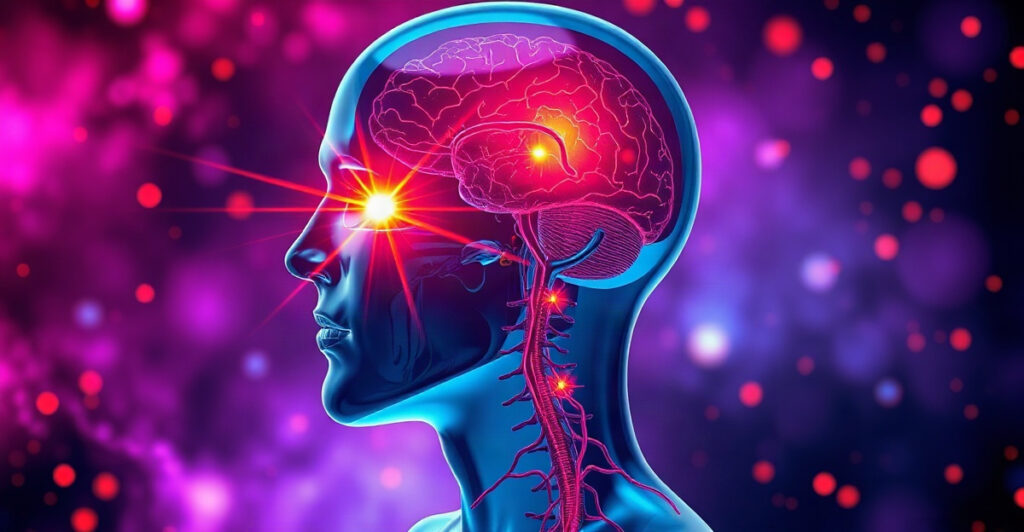
Cortisol changes your brain by shrinking the memory center, growing the fear alarm, and weakening the part that handles focus and planning, but only when it stays high for weeks or months. A quick spike here and there is normal and actually helpful.
Below you’ll find what cortisol actually does inside your brain, which studies back it up, how a short burst is different from months of high cortisol, and what actually brings the levels back down.
What does cortisol do to your brain?
Cortisol is your body’s main stress hormone, and it’s not the villain it gets made out to be. It spikes in the morning to help you wake up, rises before a hard meeting, then clears once the moment passes. That’s the system doing exactly what it’s supposed to do.
Think of it like flooring the gas to merge onto a highway. Fine for ten seconds. Hold that pedal down for an hour and the engine starts to cook.
The stress researcher Bruce McEwen, who spent decades at Rockefeller University studying this, put it simply in his landmark paper in Physiological Reviews: your brain decides what counts as a threat, and your brain also pays the bill when the threat never lets up. Short bursts help you perform. It’s the “always on” version that reshapes the tissue underneath your skull.
What happens to your memory when cortisol stays high for months?
Your memory center, called the hippocampus, physically shrinks under long-term high cortisol, and that shrinkage tracks with real memory loss.
The hippocampus sits deep in your brain and it’s the part that files new memories. It’s also loaded with cortisol receptors, which makes it especially sensitive to how much of the hormone is floating around.
A team led by Sonia Lupien tracked older adults for years and published the results in Nature Neuroscience. The people whose cortisol stayed high the longest ended up with a smaller hippocampus and worse memory scores. The more cortisol over time, the more shrinkage they saw.
So if a stressful stretch at work or at home has left you forgetful, foggy, or blanking on names you’d normally remember, that’s not you being lazy or getting older overnight. That’s a real, measurable effect on a real structure in your head.
Why does chronic stress make your brain’s fear alarm grow?
Under sustained stress, your amygdala, the brain’s threat alarm, grows more connections while your memory center loses them. The two structures move in opposite directions at the same time.
Researchers at the National Centre for Biological Sciences in Bangalore, India, led by Sumantra Chattarji, ran weeks of chronic stress in animal models and published the findings in the Journal of Neuroscience. The amygdala neurons sprouted more branches. The hippocampal neurons in the same animals lost branches.
A bigger, busier alarm means more anxiety, more jumpiness, and a faster habit of reading a neutral comment or a neutral face as dangerous when it isn’t. And here’s the part that makes it sticky: a louder alarm creates more stress signals, which then grows the alarm even more. It’s a loop that feeds itself unless something interrupts it.
Does cortisol affect your ability to focus and plan?
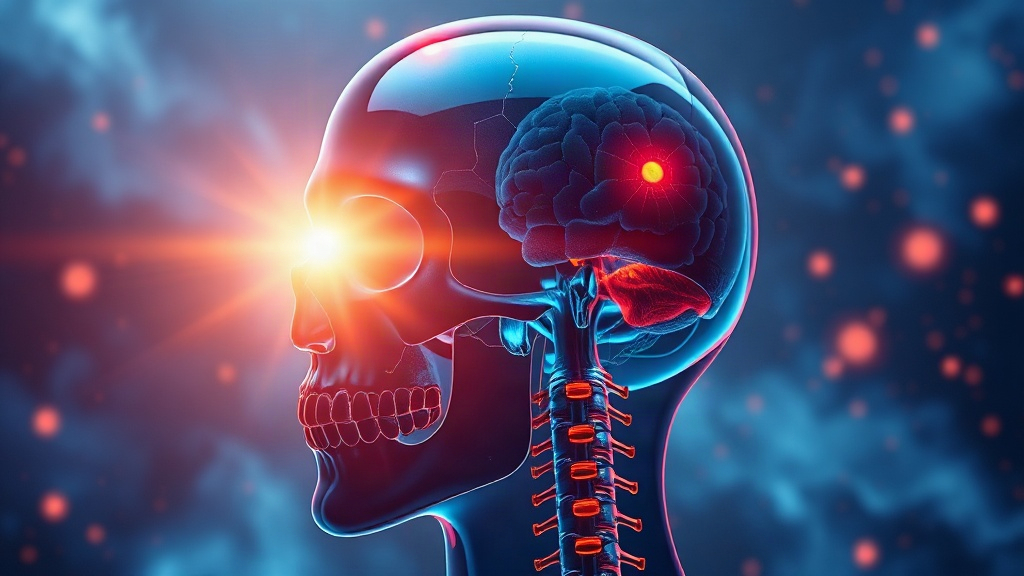
Yes. High cortisol wears down your prefrontal cortex, the area right behind your forehead that handles planning, judgment, and switching between tasks. Under stress, this region works less efficiently, and switching your attention gets harder.
Conor Liston, Bruce McEwen, and B.J. Casey followed a group of medical students through one brutal month leading up to a major exam and published the results in the Proceedings of the National Academy of Sciences. During that high-pressure stretch, the students’ prefrontal cortex activity dropped and their attention got noticeably worse at shifting between tasks.
Here’s the hopeful part. About four weeks after the exam ended, that ability bounced back on its own. The fog from a brutal season is real, and for most people, it isn’t permanent. Your brain doesn’t just take damage, it also heals once the pressure lets up.
How do short bursts of cortisol compare to months of high cortisol?
A short cortisol spike sharpens you, while months of high cortisol wear down the exact same brain regions it was built to protect. The table below breaks it down by region.
| Brain region | Short burst (minutes to hours) | Chronically high (weeks to months) |
|---|---|---|
| Hippocampus (memory) | Sharper recall, easier learning under mild pressure | Shrinks; more forgetfulness and mental fog |
| Amygdala (fear alarm) | Faster reaction to a real threat | Grows more connections; more anxiety, quicker to overreact |
| Prefrontal cortex (focus and planning) | Brief tunnel focus on the task in front of you | Weaker judgment and slower attention switching |
| Whole system | Clears within an hour once the stressor passes | Stays elevated; recovery windows shrink or disappear |
Notice the pattern. Every one of these effects flips once the cortisol tap gets shut off, which is really the whole point of understanding this. Your brain isn’t broken. It’s just responding to a signal that’s been stuck in the “on” position for too long.

Can your brain recover after chronic stress ends?
Yes, most of these changes ease once the stress drops and your basic habits come back. The same flexibility that let stress reshape your brain works in reverse too.
The medical-student study above is a good example. Attention and prefrontal function came back within about a month once the exam pressure lifted. The brain didn’t need a special intervention, just time without the constant threat signal.
This matters because it changes the story from “stress permanently damaged me” to “stress is currently affecting me, and that’s fixable.” If you’ve been running hot for months, you’re not stuck that way. You’re mid-recovery the moment you start lowering the load.
What actually lowers cortisol and protects your brain?
Movement, real sleep, time outside, and a regular calming practice all bring cortisol down and protect your memory center. You don’t need to do all of them at once.
Britta Hölzel and her team at Massachusetts General Hospital ran an eight-week stress-reduction program and scanned participants’ brains before and after, publishing the results in Social Cognitive and Affective Neuroscience. The people who reported feeling calmer at the end of the eight weeks showed a smaller amygdala on their scans. The fear alarm itself had quieted down, visible on the imaging.
A daily calming practice doesn’t have to be complicated. A short meditation for manifestation session does double duty here, since the same slow breathing and body relaxation that calms your nervous system also happens to be the exact state that makes visualization easier and more vivid.
Writing things down helps too. Getting the swirl of the day onto paper, the way our guide to self-discovery journal prompts walks through, gives your prefrontal cortex something concrete to work with instead of an endless loop in your head.
And build the dips back in. A walk with no phone. A real lunch break away from your desk. One hour in the evening that isn’t work or news. Long stress is partly a problem of never coming back down, and the recovery time matters as much as handling the stressful moment itself.
Does a calmer brain change how well manifestation works?
Yes, in a grounded way: a calmer brain is a more focused brain, and focus is what actually drives follow-through on a goal. Lower cortisol means a hippocampus that files things clearly and a prefrontal cortex that can plan the next step.
This isn’t about a stress hormone sending signals to the universe. It’s simpler than that. When your fear alarm has quieted down, you notice opportunities you’d otherwise miss, and you act on them instead of freezing. Our full breakdown of whether manifestation actually works covers this link between your inner state and your outer results in more depth.
Frequently asked questions
What is cortisol and why does it spike?
Cortisol is the hormone your body releases in response to stress, and it spikes to help you wake up, meet a deadline, or react to a real threat. It’s supposed to rise and fall, and the rise itself is normal and useful.
Can high cortisol shrink your brain permanently?
Not usually. Chronic high cortisol shrinks the hippocampus and weakens the prefrontal cortex, but studies on medical students and meditators show these regions bounce back once cortisol comes back down and stays down.
How long does it take for cortisol to damage the brain?
Researchers have seen measurable changes in animal studies after just a few weeks of ongoing stress, and human studies tracking years of elevated cortisol show the most shrinkage. The timeline depends on how high the cortisol runs and how long it stays there.
What are the signs that cortisol is affecting your brain?
Common signs include forgetfulness and mental fog, a shorter fuse or more anxiety than usual, trouble focusing, and a harder time switching between tasks. These line up directly with the memory, fear, and focus regions cortisol affects.
Does exercise lower cortisol and protect the brain?
Yes. Regular movement is one of the most consistent ways to bring cortisol back down over time, alongside real sleep, time outdoors, and a daily calming practice.
Can meditation reverse cortisol brain changes?
An eight-week stress-reduction study found that people who felt calmer afterward showed a smaller amygdala on brain scans, meaning the fear alarm had physically quieted. Meditation won’t undo everything overnight, but it’s one of the better-studied ways to help the reversal along.
Start bringing your cortisol back down today
Pick one thing from this list and do it today: a walk with no phone, an earlier bedtime, or ten slow breaths before bed. Your brain is built to recover once the pressure eases, and every small dip you build back in counts.
For a gentle daily nudge and a free guided abundance meditation to help your mind settle, join our message from the universe.