It’s been a long day. You pour a glass of wine or open a cold beer, and your shoulders finally drop. The tension fades. For a lot of people, that’s the whole point of the drink.
But there’s a side of this that rarely gets mentioned. That relaxing drink may be turning up your stress dial during all the hours when you’re not drinking. The next morning, the next afternoon, the next Tuesday.
If you’ve ever felt oddly on edge for no clear reason, this might be part of the story.
Your Body Has a Built-In Stress Alarm
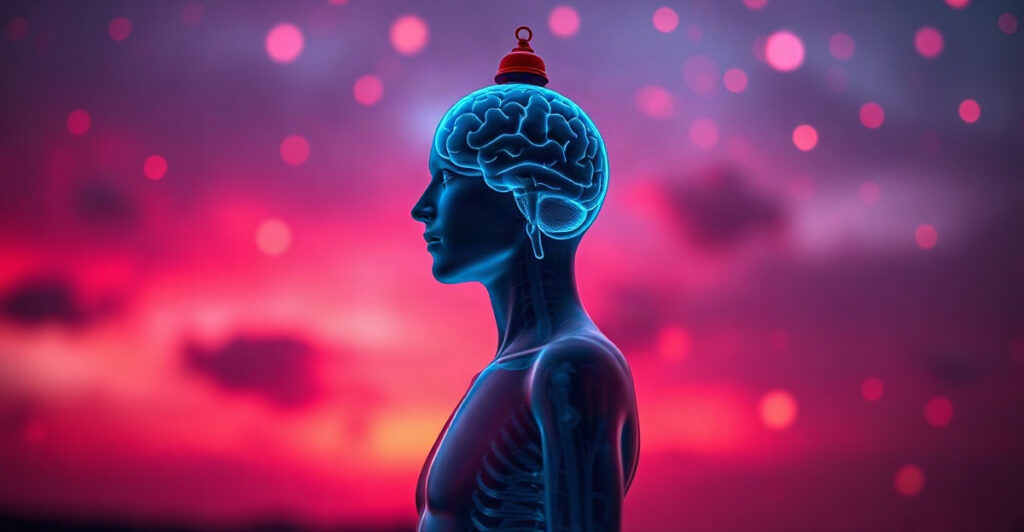
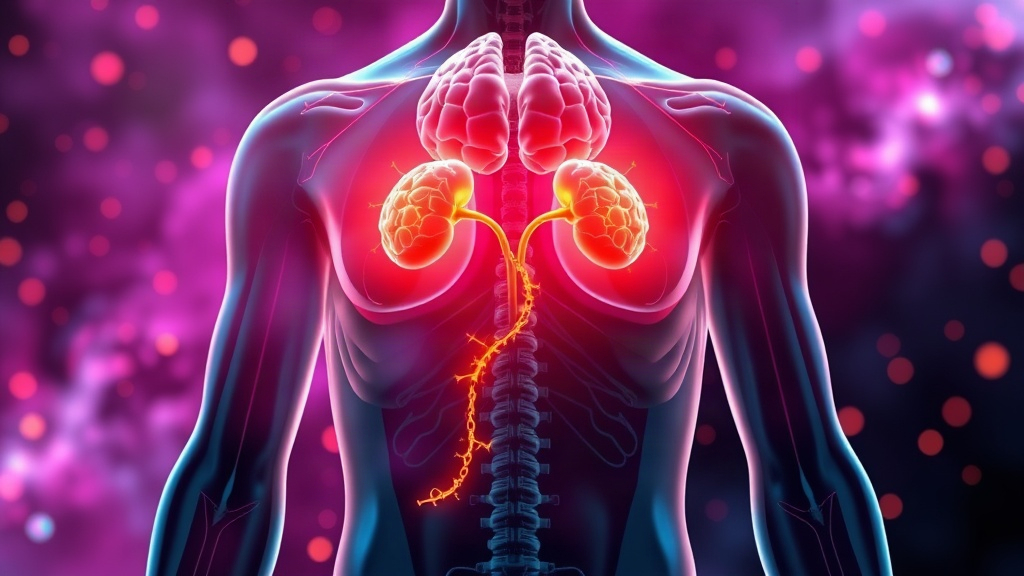
Inside your body, there’s a chain of command that decides how stressed you feel. A tiny area deep in your brain sends a message to a small gland. That gland passes the message along to two glands sitting on top of your kidneys. Those glands then release stress chemicals, including adrenaline and one called cortisol.
Cortisol is often called the stress hormone. In small doses it’s useful. It helps you wake up, react to problems and fight off illness. The trouble starts when too much of it is floating around when nothing is actually wrong.
Here’s what’s been found: people who drink regularly tend to have more cortisol in their system at their baseline. That means on the days and hours when they’re not drinking at all. The alarm gets set a little more sensitive, and it stays that way.
The result is feeling more stressed and more anxious when the drink is gone.
You Don’t Have to Drink Heavily for This to Happen
When most people picture a drinking problem, they think of someone downing a case a night. But the changes in the stress system show up in much more ordinary patterns:
- One drink with dinner most nights, and a few more on the weekend
- Two or three drinks on Friday and nothing the rest of the week
- Six drinks on Saturday, and that’s it
All of these add up over weeks and months. Your body doesn’t care whether the drinks are spread across the week or packed into one night. What matters is that it happens regularly.
That’s why someone can feel perfectly fine while drinking, wake up the next day ready to go, and still be carrying a little extra tension underneath.
The Trap: The Fix Feeds the Problem
Here’s how the cycle works. The first drink gives your mood a quick boost. Feel-good chemicals in your brain, like dopamine and serotonin, jump up. You feel lighter, chattier, happier.
But that boost is short. As the alcohol wears off, those same chemicals dip below where they started, and you feel a little flatter than before. So what do many people do? They reach for another drink to get the good feeling back.
Over time, it gets worse. The brain adjusts, and each drink delivers a smaller lift. The low that follows lasts longer. This is what people mean by tolerance. You need more to get the same feeling, and you pay for it with a longer stretch of feeling worn down.
So the drink that was supposed to calm you ends up creating more of the stress it was meant to fix. People then drink more, not to feel great, but just to get back to normal.
Sleep and the Morning-After Jitters
Alcohol also gets in the way of a good night’s rest. Many people use a drink to fall asleep faster, but even one glass changes the quality of your sleep. Both deep sleep and dream sleep, the two kinds your body needs to recover, get disrupted.
After a heavier night, sleep can turn into something closer to a light, restless doze, with several short wake-ups you may not even remember.
Poor sleep makes everything feel harder, and it makes stress feel bigger. Add the extra cortisol, and you get that familiar mix of a foggy head and a worried mind the next day. Some people call it “hangxiety,” which is just anxiety that shows up after drinking. It’s not weakness or a personality flaw. It’s chemistry.
The Good News: Your Brain Can Reset
None of this is permanent for most people. When someone takes a break from alcohol for roughly two to six months, the brain circuits that were nudged out of balance tend to settle back toward normal. People who drank heavily for many years may see a slower, less complete recovery, but the body still improves once the drinking stops.
There’s one catch worth knowing. When you cut back, the extra stress and anxiety don’t vanish overnight. They can hang around for a while, because the stress system needs time to calm down. Expect some restlessness at first. It’s a normal part of recovery, and it fades.
If someone drinks a lot every day, stopping suddenly can be medically dangerous. In that case, talk to a doctor before making a change.

What You Can Do About It
You don’t have to give up anything to start. These small moves can help, whether you drink a little or a lot:
- Check in on your dry days. How do you feel on days you don’t drink? If you’re more tense, jumpy or low than you’d expect, that’s useful information.
- Find a second way to unwind. A walk, a hot shower, stretching, music or a call with a friend can do the same job of marking the end of the workday. Try one on a few evenings a week.
- Eat before and while you drink. A real meal with carbs, fat and protein slows how fast alcohol hits your bloodstream. It won’t sober you up once you’re drunk, but it softens the ride.
- Match each drink with water. Alcohol makes you lose fluids and salts your body needs. One or two glasses of water per drink, ideally with some electrolytes, helps you feel better the next day.
- Feed your gut. Alcohol harms the helpful bacteria in your belly, and those bacteria play a role in mood. Foods like kimchi, sauerkraut, kefir and plain yogurt with live cultures can help rebuild them. Pick low-sugar versions.
- Try a break. Even a few weeks without alcohol can show you how you feel at your baseline. A full reset can take a couple of months, so give it time.
- Be patient with the first stretch. If anxiety rises when you cut back, remind yourself it’s temporary.
Your Calm Is Worth Protecting
Alcohol has been part of human life for thousands of years, and nobody needs to feel guilty for enjoying a drink now and then. An occasional glass every few weeks is very unlikely to change much.
But if you drink regularly and feel more wound up than you think you should, it’s worth asking whether the thing that relaxes you is also the thing keeping you tense. Knowing how the cycle works puts the choice back in your hands.
Today, try this: pick one evening this week and swap your usual drink for a 20-minute unwind. Go for a walk, stretch, or call someone you like. Afterward, give your stress a score from 1 to 10 and jot it down. Do the same on a drinking night, and compare how you feel the next day. Your own numbers will tell you more than any article can.