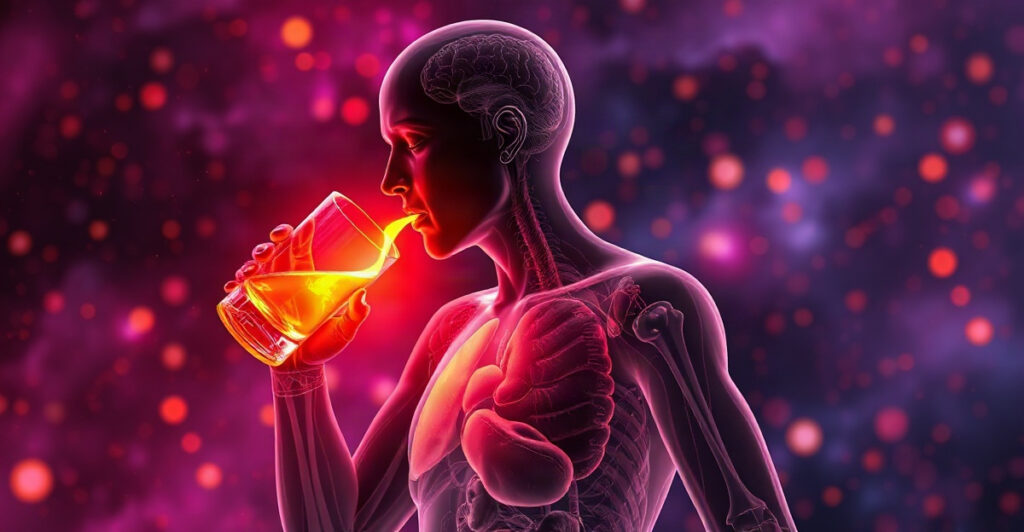
You take a sip of wine, and a few minutes later something shifts. Your shoulders loosen, your voice gets a little louder, the room feels warmer.
What’s actually happening in those minutes is a quick chain of events, and most of it isn’t what people imagine. Alcohol isn’t a gentle relaxer. It’s a toxin your body races to get rid of, and the feeling of being drunk is a side effect of that race.
Here’s the whole trip, from first sip to last drop, in plain words.
Minutes 0 to 10: It Goes Everywhere
Alcohol is special because it mixes with both water and fat. That lets it slip through nearly any barrier in your body, including the protective fence around your brain.
On an empty stomach, it can reach your bloodstream within five to ten minutes. From there, it spreads through your organs. Most other drugs have to attach to specific spots on cells to have an effect. Alcohol can simply walk in.
That’s also why it’s hard on so many parts of the body at once.
The Liver’s Two-Step
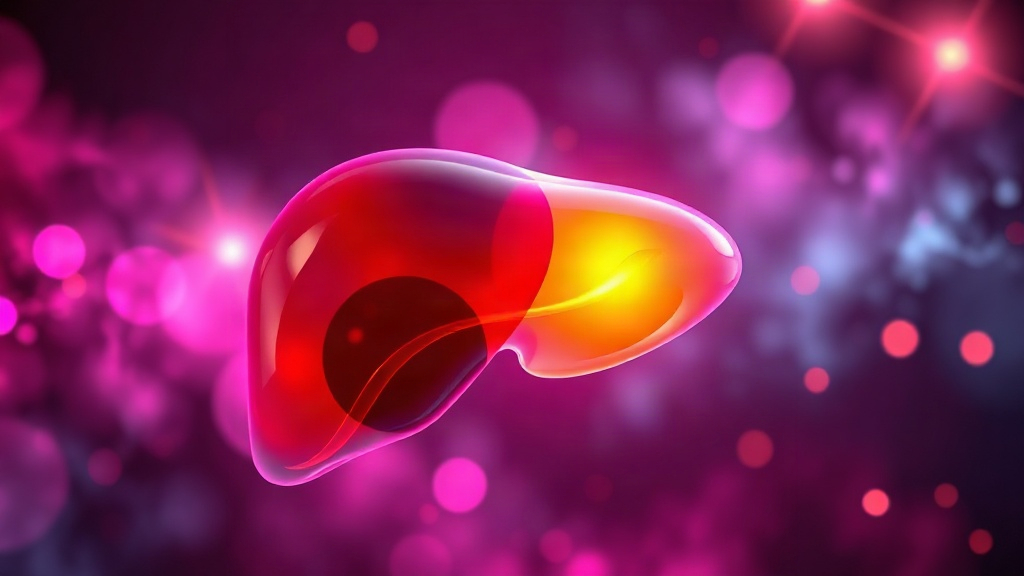
There are several kinds of alcohol, and only one, ethanol, is meant for drinking. Even that one is toxic, so your body rushes to change it into something else. The liver does most of this work, in two steps.
- Step one: Alcohol is turned into acetaldehyde. This chemical is even more poisonous than alcohol. It damages cells and doesn’t care which ones.
- Step two: Acetaldehyde is turned into acetate, a much safer substance your body can burn for energy.
If your body can’t finish step two fast enough, acetaldehyde builds up and does more damage. Liver cells take the worst of it, because they’re the ones doing the work.
Some people carry gene variants that leave them with very little of the enzyme that handles this. They turn red and feel sick almost right away. Their bodies simply can’t keep up.
Why They’re Called “Empty Calories”
Alcohol does contain calories, and your body can use them for quick energy. But the whole process costs your body a lot of effort, and what you get back has almost no nutritional value.
No vitamins. No protein building blocks. No healthy fats. And the energy can’t be stored in any useful way.
Even sugar, which gets plenty of criticism, is a better fuel than what alcohol leaves behind. In the end, you’ve put a poison through your system and received a small, short-lived energy burst.
So Why Do You Feel Drunk?
Being drunk is the poison at work. The acetaldehyde and alcohol disrupt how your brain’s circuits talk to each other.
The effects come in a pattern:
- First drinks: The self-control area at the front of your brain quiets down. Mood circuits fire up, so you feel good and talkative.
- More drinks: The good feeling fades as those mood chemicals drop. Movement control slows, speech slurs, balance slips.
- Many drinks: The memory-saving areas shut off, and eventually the whole brain slows enough that you pass out.
Some people stay peppy through that whole arc. That doesn’t mean the alcohol is harmless for them. It often points to a higher risk of problems later.
Why Two People Drinking the Same Amount Feel Different
Several things change how hard a drink hits:
- Body size. Two drinks affect someone who weighs 110 pounds very differently than someone who weighs 220.
- Food. A meal with carbs, fat and protein slows how fast alcohol enters your blood. All three together work better than just one or two.
- Tolerance. Regular drinkers feel less of the effect, but their bodies still take the damage.
- Genes. Some bodies process alcohol quickly. Others barely at all.
And a big myth: eating after you’re drunk will not sober you up. By then the alcohol is already in your blood. Food only helps with the drinks still to come.
What does lower your blood alcohol? Time. Your liver works at its own pace.
Small Moves That Make a Big Difference
- Eat first. A real meal before you drink is the simplest way to slow things down.
- Sip, don’t gulp. Slower drinking gives your liver a head start.
- Alternate with water. One or two glasses of water per drink, with electrolytes if you can.
- Know your pour. Drink sizes and strengths vary a lot. A big glass of wine can hold more than one standard drink.
- Stay out of cold water. Alcohol throws off your body’s thermostat, and a cold lake, pool or ice bath can drop your temperature dangerously low. And never swim, drive or ride a bike after drinking.
- Skip the “sober up” tricks. Eating after the fact doesn’t clear alcohol from your blood. Time does, so a ride home or a safe place to sleep is the smart move.
Knowing the Trip Helps You Steer It
A drink isn’t just a mood switch. It’s a toxin moving through a body that’s working hard to protect you, and the buzz is a side effect of that struggle.
That doesn’t mean you must never enjoy one. It means you can make better calls: eating first, drinking slowly, drinking water, and giving yourself time to recover.
Today, write down a simple rule for your next night out, something like “eat a real meal first and have a glass of water between drinks.” Keep it in your phone notes and follow it once. You may notice the difference the very next morning.