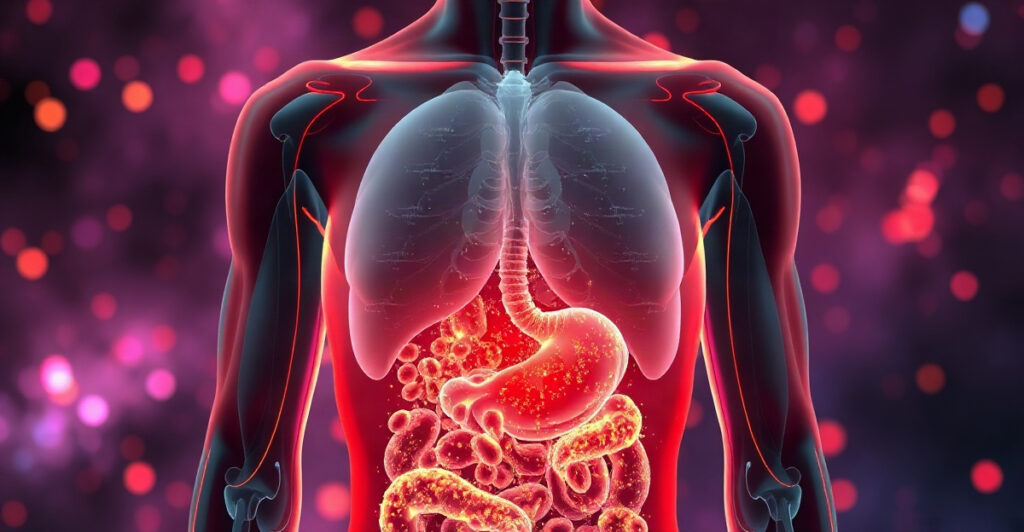
Inside your belly lives a huge crowd of tiny helpers. Trillions of bacteria make their home in your gut, and they work around the clock to keep you healthy.
When you drink alcohol, those helpers are some of the first to feel it. Nobody warns you about this when handing you a glass, but it explains a lot: the upset stomach after a big night, the foggy mood, even why it can get harder to cut back.
The encouraging part is that your gut can be rebuilt, and some of the tools are already in your kitchen.
Your Gut Does More Than Digest Food
The bacteria in your gut are called your microbiome. They help break down food, and they support your immune system, the body’s defense team.
They also talk to your brain. Your gut and brain are linked by nerves and chemical signals, and the bacteria in between help nudge the release of mood chemicals like serotonin and dopamine. That’s why people sometimes call the belly a second brain.
A healthy gut lining also acts like a good fence. It lets nutrients through and keeps unwanted bacteria and other bits of partly digested food on the inside.
A Hit From Several Directions
People have used alcohol for thousands of years to clean wounds and surfaces, because it kills bacteria. The same thing happens inside you. Alcohol doesn’t tell good bacteria from bad, so a lot of your helpful gut bugs get wiped out.
At the same time, your liver is busy breaking the alcohol down, and that process sets off inflammation, which is your body’s alarm response. The liver releases inflammatory signals into the body.
The gut lining takes a beating, too. Gaps can open up, a problem often called “leaky gut.” Then bacteria that should have stayed inside can slip into the bloodstream.
So you get several problems at once: fewer good bacteria, a weakened fence, and more inflammation. This can happen with any amount of alcohol, though it’s more pronounced with heavier drinking.

The Loop That Keeps You Drinking
Those inflammation signals and stray bacteria don’t stay put. They send messages to the brain.
In the brain, they interfere with the circuits that help you control how much you drink. The result is a stronger pull toward another drink.
So the cycle goes like this: drinking harms the gut, the harmed gut sends distress signals, and those signals make you want to drink more. That’s a big reason why regular drinking can be hard to scale back, even when you truly want to.
This loop is strongest in people with heavy drinking problems, but it shows how much the gut and brain affect each other.
It also points to a hopeful idea: looking after your gut may help repair some of the damage.
Fermented Foods: The Everyday Rebuilders
Researchers studying how to improve the gut found something simple. Eating two to four servings a day of low-sugar fermented foods lowered signs of inflammation and improved the variety of gut bacteria.
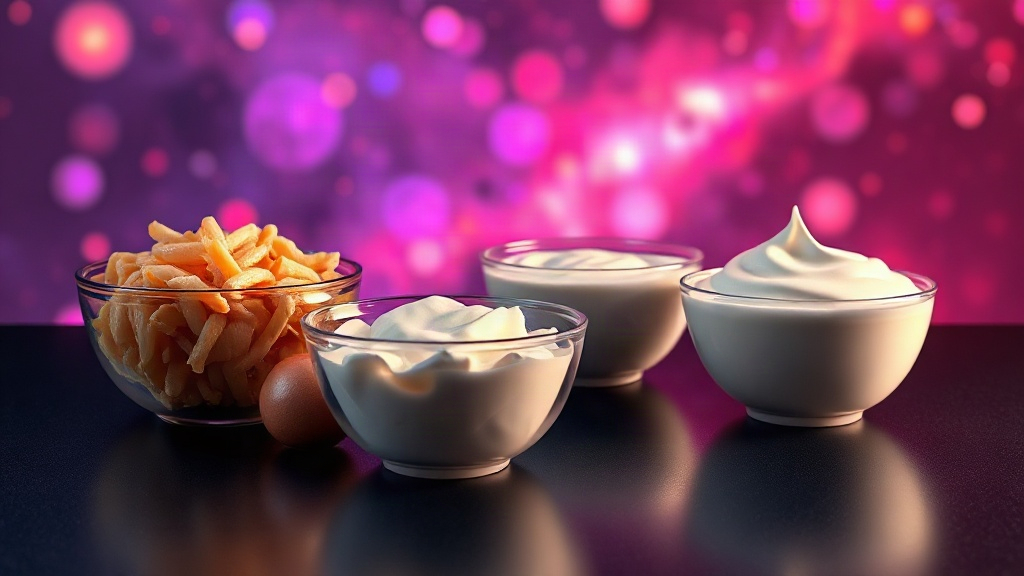
Fermented foods are foods made with the help of friendly bacteria. Good examples:
- Kimchi
- Sauerkraut
- Natto, a Japanese dish made from soybeans
- Kefir, a tangy drinkable yogurt
- Yogurt with live, active cultures
Notice the words “low-sugar.” The research focused on low-sugar versions. Read labels and look for “live and active cultures.”
An honest note: that research wasn’t done on people who drink, so no one can promise these foods will fix alcohol damage. But because alcohol harms the gut through inflammation and lost bacteria, and these foods are known to calm inflammation, it makes good sense to try them.
Other Ways to Support Your Gut
Probiotics and prebiotics. Probiotics are live friendly bacteria, sold as supplements. Prebiotics are fibers that feed those bacteria. Both can help, though there’s more research behind fermented foods in people.
Water and electrolytes. Alcohol makes you lose fluids and salts. Drinking water, ideally with electrolytes, keeps your body steadier the next day.
Real food with your drink. A meal with carbs, fat and protein slows alcohol’s entry into your blood.
Time off. The gut, like the brain, tends to recover when you give it a break from the thing that’s hurting it.
Gentle stress care. Stress and gut health affect each other, so walks, sleep and calm routines help both.
A Simple Gut-Friendly Plan
You don’t need a big overhaul. Try this for a few weeks:
- Add one fermented food to breakfast. Plain yogurt with live cultures, or a spoonful of kimchi with eggs.
- Add a second one at dinner. A little sauerkraut on the side, or a glass of kefir.
- Build toward two to four servings a day, as comfortable.
- Match each drink with water, and eat a real meal first when you do drink.
- Pick a few alcohol-free days each week. Give your gut a regular chance to recover.
- Be patient. Gut changes take time, and some digestive grumbling at the start is normal as your body adjusts. If it persists, check in with a doctor.
Take Care of the Crowd Inside You
Your gut is a living community that works for you every minute of the day. Alcohol is hard on it, but that community can bounce back when you feed it well and give it room to heal.
No one food will undo years of drinking, and fermented foods are a helper, not a cure. Still, they’re cheap, tasty and easy to start.
Today, put one fermented food in your shopping cart: a plain, live-culture yogurt, a jar of kimchi or sauerkraut from the refrigerated section, or a bottle of kefir. Check that the label shows little added sugar, and have a serving with your next meal.