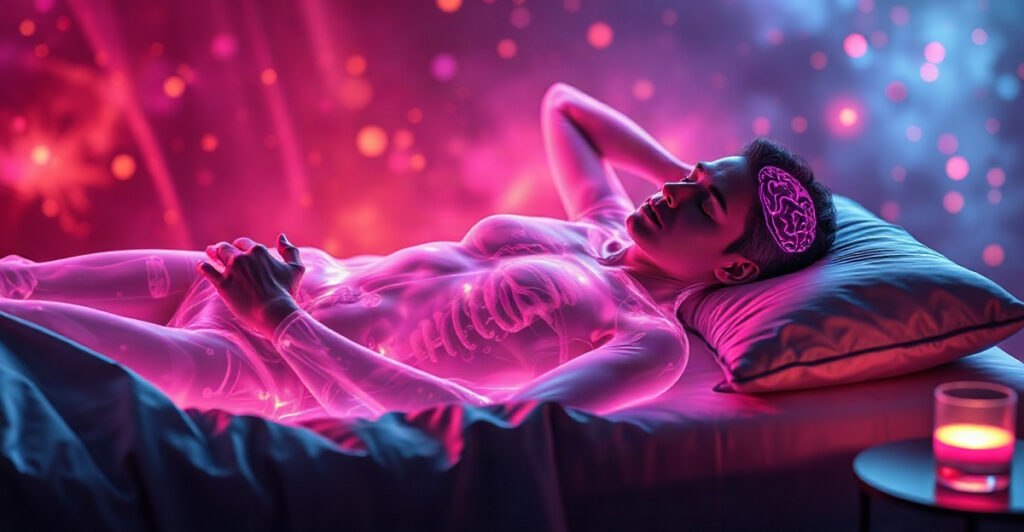
It’s late, your mind is racing, and a glass of wine or a beer seems like the perfect way to switch off. You feel your body get heavy, your eyelids droop, and you drift off.
It works, in a way. You do fall asleep. But the sleep you get afterward is not the same as sleep without alcohol, and that’s a big reason people wake up feeling tired and foggy even after a full eight hours in bed.
Here’s what’s really going on while you sleep.
Why It Feels Like It Helps
Alcohol slows down parts of your brain, especially the areas that keep you alert and in control. After a drink or two, you feel relaxed and drowsy. People who crave a bit of calm at bedtime see that as a win.
The trouble is that being sedated is not the same as sleeping well. Think of it like being knocked out versus being rested. Both look like sleep from the outside, but only one of them restores you.
The Two Kinds of Sleep You Need
A good night has several stages. Two of them do the heaviest repair work:
- Deep sleep. This is the slow, heavy stage when your body recovers.
- Dream sleep, also called REM sleep. This is when your brain sorts through the day and your mind gets restored.
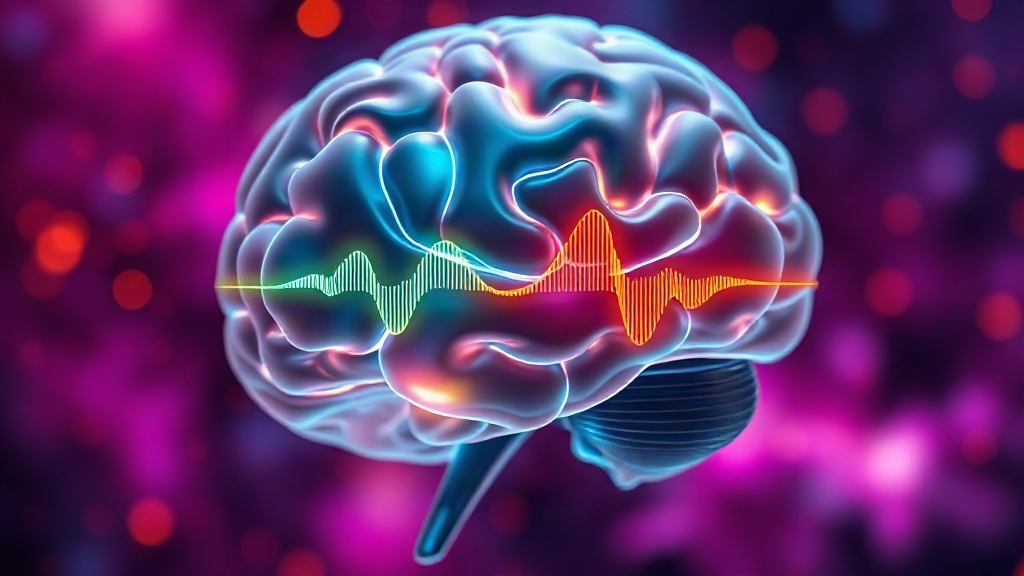
When alcohol is in your blood and brain, both of these stages get disrupted. Sleep scientists have shown this again and again in both animals and people.
This isn’t only about heavy drinking. Even one glass of wine or one beer changes how your night is built. So the sleep you get after a drink is simply not as high quality as the sleep you’d get without it.
Sleep That Isn’t Really Sleep
After a bigger night of drinking, things get even less restful. Sleep experts have a name for what happens: pseudosleep, which just means “fake sleep.”
You’re in a kind of light, dreamy trance. You wake up several times through the night, often without remembering any of it. Your body is lying down, but it isn’t getting the recovery it needs.
That’s why people who drink late often wake up unrefreshed, groggy and a bit grumpy, even if the clock says they slept for hours.
Other Things Happening Overnight
Sleep isn’t the only thing alcohol interferes with after you go to bed.
- Fluids and salts. Alcohol makes you lose water and salts such as sodium. Even after one or two drinks, your fluid balance can be off. You may wake up thirsty, with a dry mouth or a headache.
- Body temperature. Alcohol throws off the part of your brain that controls body temperature, which can leave you a bit colder than normal.
- Blood vessels. Alcohol first widens them, and when it wears off they tighten again. That rebound is a common cause of morning headaches.
- Your gut. Alcohol harms the helpful bacteria in your belly, which can leave your stomach unsettled the next day.
Put together, your body spends the night cleaning up rather than recovering.
The Next Day Costs More Than You Think
Bad sleep makes everything harder: focus, mood, patience. Add the chemical effects of alcohol, and the day after can feel rough in more ways than one.
People who drink regularly tend to carry more of the stress hormone cortisol in their bodies, even when they aren’t drinking. When you pair that with a restless night, it’s no surprise that anxiety can climb the next day. Some people call this “hangxiety.”
If you’ve ever woken up worried for no clear reason after a night out, now you know one likely cause. It isn’t weakness. It’s your body’s chemistry after a rough night.
Better Ways to Wind Down
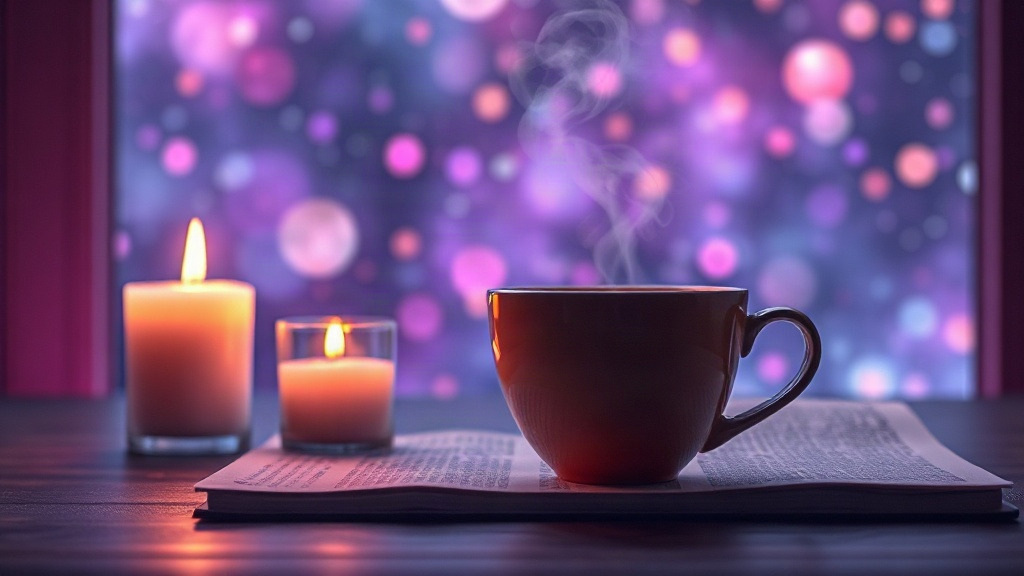
You don’t have to give up your evening ritual. You can just swap what’s in the cup.
- Keep the ritual, change the drink. A warm herbal tea or a sparkling water in a nice glass can give your evening the same sense of “I’m done for the day.”
- Build a short wind-down. A warm shower, light stretching, reading or quiet music for 20 minutes tells your body it’s time to slow down.
- Put your worries on paper. If your mind races, write down tomorrow’s to-do list before bed.
- If you do drink, drink less and earlier. Eat a real meal, and match each drink with water. Take electrolytes before bed or when you wake up.
- Plan a few alcohol-free nights. Notice how you feel in the morning. Many people are surprised by the difference.
- Be patient. If you cut back, you may feel more anxious or restless at first, since your stress system needs time to settle. Give it a few weeks.
Sleep Is Worth Protecting
Good sleep is the base for your mood, your energy and your health. A drink before bed can feel like a shortcut, but it quietly takes some of that away.
You don’t need to be perfect. Even small changes, like finishing drinks earlier or skipping a few nights, can help you wake up feeling more like yourself.
Tonight, try one alcohol-free evening with a short wind-down: a warm drink, a few minutes of stretching, and your phone out of reach. Tomorrow morning, rate your energy from 1 to 10 and compare it with a morning after a drink.