
Every group of friends has one. It’s late, everyone else is yawning and checking the time, and there’s that one person still going strong. Still laughing, still pouring, still full of ideas about where to go next.
We usually call that person “the life of the party,” and we may even envy them. “Wow, they can really hold their drink.”
But how your body responds to alcohol says a lot about your long-term risk. And the person who never seems to fade may be the one who has the most reason to be careful.
Two Ways Bodies React to Drinking
For almost everyone, the first drink or two gives a lift. You feel warm, relaxed and chatty. After that, the paths split.
Most people get sleepy after a few drinks. Their speech slurs, their balance slips, and eventually they want to sit down or go home.
A smaller group gets more energized as the night goes on. They talk faster, feel great and want to keep going. They stay alert long after others have faded.
That second pattern is common in regular drinkers, because the body adapts. It’s also seen in people with a family tendency toward alcohol problems. It doesn’t mean someone has a problem, but it is one of the clearest early signs that they may be at higher risk.
This isn’t a test you should run on purpose. It’s just something to notice, in yourself or in someone you care about.
Blackouts: Awake but Not Remembering
Many people think a blackout means passing out. It doesn’t. In a blackout, a person is up and moving. They talk, laugh, send texts, sometimes even drive or swim. But the part of the brain that saves memories has switched off, so none of it is recorded.
The next morning, a whole stretch of the night is simply gone. The person was awake, and may have looked fine to everyone around them.
That’s what makes blackouts so risky. A person can make big decisions and take dangerous actions with nothing stored to learn from.
A single blackout is a warning. Several of them are a stronger one. If you’ve had a few, or if someone close to you has, take it seriously.
Is It in the Genes?
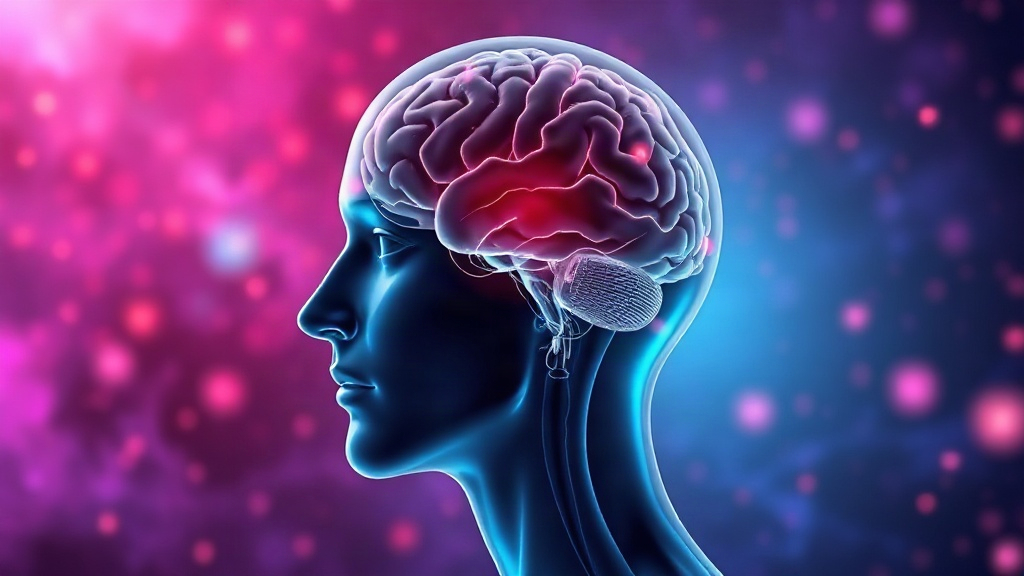
Partly, but there’s no single “alcoholism gene.” Instead, many genes play small roles. They affect how your brain handles mood chemicals like serotonin, how your brakes work on impulse, and how your stress system responds.
If one or more close relatives have struggled with heavy drinking, your chances go up. But genes are only half the story. The rest comes from the world around you:
- Spending time where everyone drinks
- Peer pressure
- Stress and painful experiences
- Using alcohol to numb hard feelings
Genes load the gun, as the old saying goes, and surroundings pull the trigger. Two people with the same genes can have very different outcomes based on how they live.
The Flip Side: When One Sip Makes You Sick
Some people take a small sip of alcohol, turn red in the face and feel nauseous right away. This is common in some parts of the world, especially in some Asian communities.
The cause is usually a gene variant that leaves the body with very little of the enzyme that breaks alcohol down. The poison builds up quickly, and the body lets you know.
If that sounds like you, your body is basically putting up a stop sign. Most people with this reaction simply don’t drink much, which protects them from many of the problems we’ve covered.
On the other side, people whose bodies break alcohol down easily can drink more without feeling ill. That ease is part of why drinking problems show up more often where this is common. But culture and surroundings play a big part too.
The Age You Start Matters a Lot
One of the strongest predictors of a later drinking problem has nothing to do with family history. It’s how old you were at your first drink.
People who begin drinking early, around 13, 14 or 15, are much more likely to become dependent on alcohol later. This holds even if no one in their family has had a problem.
People who wait until the legal drinking age of 21 in the United States are far less likely to develop one. A smaller group still will, usually because of strong genes or hard life events.
There’s good news inside this. People who carry genes that raise their risk also lower it when they put off their first drink. Waiting changes the odds.
Experts aren’t sure exactly why, but a young brain is still being built, and early drinking may change how it handles cravings.
What to Do With This
- Notice your own pattern. Do you feel more awake the more you drink? Do you get blackouts? Do you need more to feel the same buzz? Honest answers help you decide what’s right for you.
- Look at your family tree. If heavy drinking runs in your family, treat that as a reason to be extra careful, not as fate.
- Don’t copy the one who never fades. Staying power isn’t a skill to be proud of.
- Help young people wait. Every year a teen puts off the first drink lowers their odds of trouble later. Talk about it early and keep alcohol out of easy reach.
- Don’t rely on a drink to cope. Using alcohol to quiet stress or old pain tends to make both worse. A counselor can offer better tools.
- Get help if you’re stuck. For people who drink heavily, stopping suddenly can be medically dangerous, so a doctor or counselor should guide the plan.
Listen to What Your Body Tells You
Your reaction to alcohol is information. Feeling sleepy after a couple of drinks is normal. Feeling more and more energized, forgetting whole evenings, or needing more each time is your body waving a flag.
None of this means you’re doomed. Habits and surroundings carry real weight, and starting later, drinking less and building other ways to relax all shift the odds in your favor.
Today, think about your last three nights out. Did you stay alert while others faded? Do you remember all of each night? Write down what you notice and decide whether anything deserves a change. If you’re worried about yourself or someone you love, tell a doctor or someone you trust.