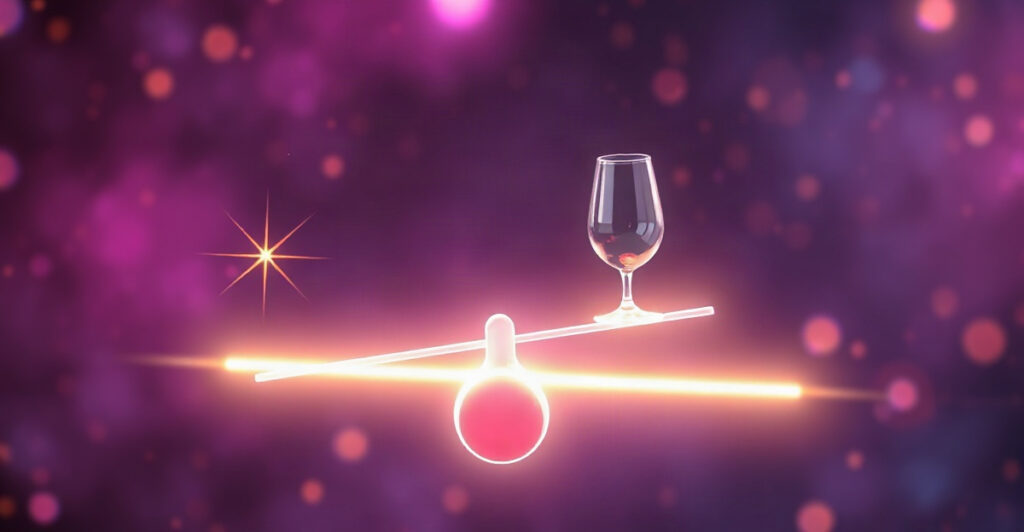
Remember your first really good drink? The warm glow, the easy laughter, the feeling that everything was a little brighter.
Now think about the last few. If you’re like many people, it takes more to reach that same glow, and it may not quite get there. The next morning often hits harder, too.
That isn’t in your head. It’s a pattern in how the brain handles feel-good chemicals, and it works like a seesaw.
The Seesaw: A Quick Lift and a Long Dip
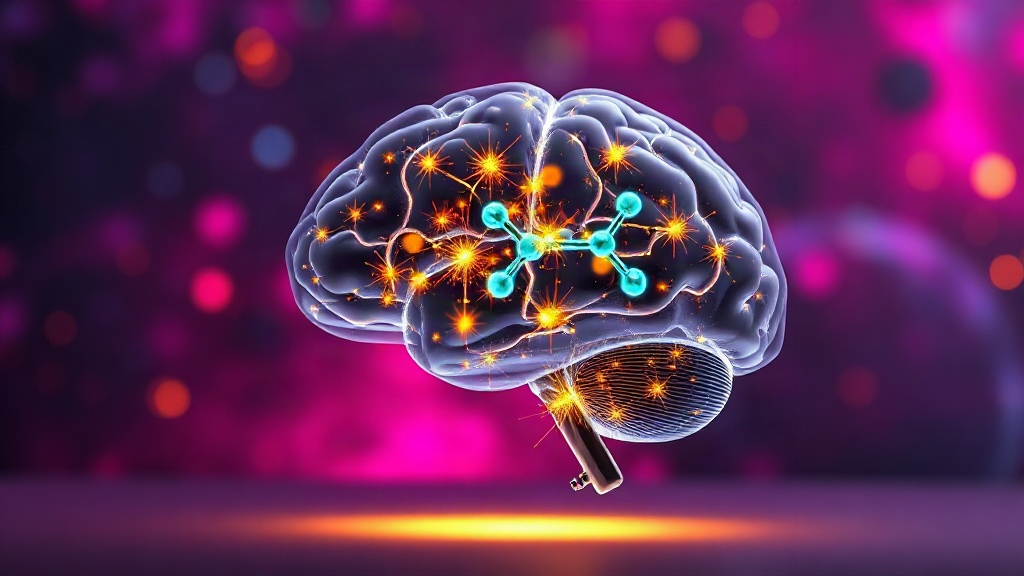
Your brain uses chemicals like dopamine and serotonin to create motivation, pleasure and a good mood. When you take your first drinks, these chemicals jump. You feel lively, confident and happy.
But the jump is brief. Soon after, the same chemicals start to fall, slowly, below where they were before you started. Your mood sags, your energy dips and you feel a little flat or tense.
Picture a seesaw. Alcohol pushes one end up fast. Then the other end comes down, and it stays down for a while.
That’s why people often reach for another drink. They’re trying to get back up.
What Happens When You Keep Doing It
With repeated drinking, the seesaw tilts in a bad direction. Two things change:
- The lift gets smaller. Each drink gives you less of the feel-good rush than the one before, whether it’s the next drink that night or a drink the next week.
- The dip lasts longer. The low mood and flat feeling after drinking stretch out and get stronger.
Scientists call this tolerance. It simply means the same amount of alcohol has less effect on you than it used to.
So you end up with less pleasure and more pain from the very same drink. And the dip doesn’t only show up on the night you drink. It can reach into the next day and beyond.
Why More Drinks Don’t Fix It
When the buzz fades, the natural move is to drink more, and that’s what people and animals both tend to do. But it backfires.
Your liver gets better at breaking alcohol down, because it keeps seeing a lot of it. That sounds like a good thing, but it only means the alcohol leaves faster. It doesn’t give you back the good feeling.
So you get faster cleanup, a weaker lift and a deeper dip. You’re drinking more just to feel okay, not to feel great.
This is a big reason a casual habit can slowly turn into something that’s hard to shake. The more you chase the lift, the more you get the dip.
It’s Not Just About Alcohol
Addiction doctor Anna Lembke, author of Dopamine Nation, describes this as a pleasure-pain balance. Whenever something gives your brain a big jolt of pleasure, the brain tilts the other way to compensate.
The same pattern can show up with other things people can get hooked on, such as gambling or certain sexual behaviors. A big thrill, a lower low, and a pull to chase the thrill again.
That makes this a useful idea to carry around. Whenever you notice you need more of something to feel the same joy, ask yourself whether the seesaw is tilting.
The Good News: The Seesaw Can Level Out
The brain adapts both ways. When someone stops drinking for a while, these systems reset.
How long it takes depends on how much and how long a person has been drinking. For many people with a regular habit, a few months away from alcohol is enough for the brain’s circuits to settle back toward normal. People who’ve been drinking heavily for years may recover more slowly.
It also matters to know that for someone who drinks a lot every day, stopping suddenly can be medically dangerous. If that’s you or someone you love, a doctor or counselor should guide the plan. Support exists, and asking for it is a strong move.
How to Tilt the Seesaw Back
- Check your own signs. Do you need more drinks than before for the same feeling? Does the next day feel lower than it used to? Those are signals the seesaw is tilting.
- Space your drinks out. Spread them out and add alcohol-free days, so your brain gets time to recover between lifts.
- Stop chasing the first-drink feeling. The glow from the first drink is the one you can’t get back by drinking more.
- Add pleasures that don’t have a crash. Time outdoors, exercise, music, good food, time with friends and a creative hobby give you lift without the same dip.
- Take a longer break. A few weeks, or better a few months, lets the system reset. Notice how your mood and energy change.
- Expect a bumpy start. Extra stress or low mood can show up when you cut back. It’s temporary, and simple tools like walking and steady sleep help.
Joy That Doesn’t Cost You Tomorrow
The seesaw isn’t a flaw in you. It’s how a normal brain responds to a big, fast jolt of pleasure. Once you see it, you can make choices that work with your brain instead of against it.
Today, write down three things that lift your mood without a crash, like a walk, a favorite song or a call with a friend. Pick one and do it this evening, then compare how you feel tomorrow with how you feel after a night of drinking.