A slow, powerful signal that tells you what’s worth chasing.
Dopamine works as a slow, far-reaching signal that changes how likely certain brain circuits are to be active, and it acts like a currency that tracks how well you’re doing at reaching your goals. It can act on 1 neuron or thousands, and its effects can last a long time.
Andrew Huberman gave a detailed tour of this on the Huberman Lab podcast. Here’s the biology in plain words, including a few details most people never hear.
How does dopamine communicate between neurons?
Dopamine is released from tiny packets called vesicles into the gap between neurons, then binds to receptors on the next cell. Huberman called this local, or synaptic, release, and compared it to a 2-person conversation.
But dopamine can do something more. It can also be released in a broad way called volumetric release, where it floods an area and reaches 50, 100, or thousands of cells at once.
| Type of release | Reach | Effect |
|---|---|---|
| Synaptic (local) | One neuron to the next | Precise, targeted change |
| Volumetric (broad) | Hundreds to thousands of cells | Wide shift in mood, drive, and energy |
For a rigorous look at both, Huberman pointed to “Spatial and temporal scales of dopamine transmission” in Nature Reviews Neuroscience (2021) by Changliang Liu, Pragya Goel, and Pascal Kaeser.
Why is dopamine slow compared with other signals?
Dopamine works through G protein-coupled receptors, a slower system than the fast electrical signaling most neurons use. Huberman described it as a bucket brigade: the signal gets handed from one molecule to the next inside the cell.
For a person, this means new habits take time to feel good. The first week of a new routine often feels flat because the slow chemistry hasn’t caught up yet. Patience is part of the biology.
The slow route has big advantages. It can have many downstream effects, change how cells respond in the future, and even affect gene expression.
In everyday terms, a dopamine change can reshape your mood and drive for minutes to hours, not just a moment.
Why does dopamine make you more active?
Dopamine makes you more active partly because dopamine neurons also release glutamate, an excitatory chemical that stimulates nearby neurons. Huberman said this is rarely discussed.
That’s one reason dopamine tends to raise alertness. In his words, it brings an animal toward readiness and a desire to pursue things outside its own skin.
How is dopamine related to adrenaline?
Dopamine is a chemical parent of norepinephrine, which becomes epinephrine (adrenaline), so they’re family and often rise together. The pathway runs from l-DOPA to dopamine to norepinephrine to epinephrine.
Huberman gave a simple picture. Epinephrine alone can feel like fear or paralysis. Add dopamine, and that same energy becomes excitement. They work “like a little gang” to make you seek things.
Why is dopamine like a currency?
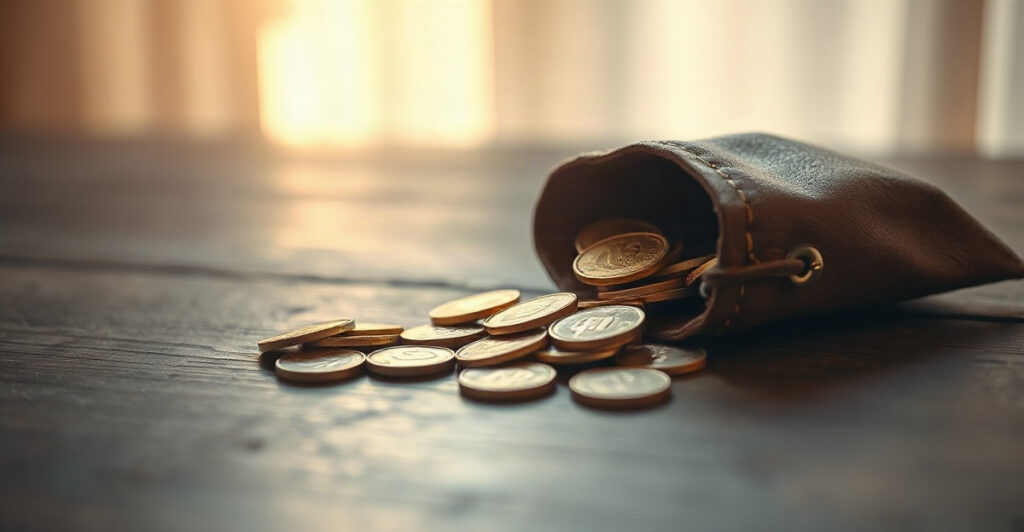
Dopamine works like a currency because it tracks pleasure and success by comparing how much you have now with how much you had recently. Huberman said how you feel depends on whether your dopamine is higher or lower than a few minutes ago, plus your memory of past experiences.
Here’s another way to picture it. A runner who just hit a personal best feels a surge, and the next ordinary run feels dull by comparison. That’s the brain comparing the new number with its recent record, and it’s the same logic dopamine uses for every goal.
Money is a decent comparison. A $20 gift feels huge when you’re broke and trivial when you’ve just won a prize. The amount is the same, and the baseline is different.
This is why the same experience can excite you one day and bore you the next. Read more in our post on the dopamine baseline crash.
How can you use this to stay motivated?
You can use it by treating your dopamine like a budget: protect your baseline, aim your drive at meaningful goals, and avoid constant spikes. Here are 4 ideas.
- Set goals you care about. Dopamine tracks progress toward things that matter to you.
- Celebrate small steps. Each step is a mini signal of success.
- Space out strong stimulation. Constant peaks lower the value of each one.
- Be patient. Because the effects are slow, new habits take a while to feel rewarding.
For related practices, read neuroplasticity and habits.
Is dopamine the only chemical that matters?
No, dopamine acts with many partners, including adrenaline and glutamate, and no single molecule controls motivation. It’s a leading player in a large orchestra.
Huberman noted that some people simply sit a little higher or lower in baseline energy, partly from genetics. That’s normal, and you can still shape your habits and environment.
Frequently asked questions
Is dopamine a neurotransmitter?
It acts as both a neurotransmitter and a neuromodulator. Huberman emphasizes its role as a neuromodulator that changes the activity of many circuits at once.
What is volumetric release?
It’s a broad release of dopamine into an area that can reach 50, 100, or thousands of cells, as opposed to the local release between 2 neurons.
Why is dopamine slow?
It works through G protein-coupled receptors, which pass signals through a chain of molecules inside the cell, so effects take longer but can last longer.
How is dopamine related to adrenaline?
Dopamine is converted into norepinephrine, which is converted into epinephrine, so they’re chemically related and often rise together.
Why do you call dopamine a currency?
Because the brain uses it to track how well you’re doing relative to your recent past, guiding your drive toward goals.
Choose goals worth chasing, and let your drive do the rest. The universe keeps sending you signs. Get one in your inbox every morning → For daily guidance, read our guide on how to manifest.