
The main healing frequencies are the solfeggio scale: 396 Hz for releasing fear, 417 Hz for change, 528 Hz for transformation and DNA repair, 639 Hz for relationships, 741 Hz for expression and detox, and 852 Hz for intuition, plus 174 Hz, 285 Hz, and 963 Hz from the extended set. Listeners use them as meditation and sleep audio, and while the grander health claims outpace the research, the practice of sitting with calm tonal audio for 15 minutes is genuinely restful and costs nothing to try. Here is the full chart and how to use each frequency.
What are healing frequencies?
Healing frequencies are specific tones (measured in hertz, the number of sound vibrations per second) that practitioners listen to for relaxation, meditation, and intended emotional or physical benefits, the most famous set being the solfeggio frequencies. The solfeggio story begins with the Gregorian chant tradition, where certain Latin hymns such as “Ut Queant Laxis” were built on a scale whose tones carry symbolic spiritual meanings. In the 1990s, researcher Joseph Puleo and Dr. Leonard Horowitz popularized the rediscovery of these tones in their book Healing Codes for the Biological Apocalypse (1999), assigning a specific intention to each of the six core frequencies.
What does the evidence say, honestly? Controlled research on solfeggio-specific effects is thin and preliminary: a few small studies (including work on 528 Hz and anxiety markers published in journals like the Journal of Addiction Therapy and Research area of sound-therapy literature) suggest calming effects, and music-therapy research generally supports that slow tonal audio lowers stress markers. Claims about DNA repair and cell regeneration are traditional beliefs rather than established findings. The fair conclusion: listening is genuinely relaxing, safe, free, and worth trying for that alone, with the bigger promises treated as tradition.
Healing frequencies chart: what does each hertz do?
Each solfeggio frequency carries one traditional intention: the lower tones ground and release, the middle tones transform and connect, and the higher tones awaken and unify. The chart below is the standard reference used across meditation apps and sound-healing practice.
| Frequency | Traditional meaning | Best used for |
|---|---|---|
| 174 Hz | Safety, pain relief | Body aches, tension at day’s end |
| 285 Hz | Tissue healing, restoration | Recovery, self-care rituals |
| 396 Hz | Releasing fear and guilt | Letting go work, grief, anxiety |
| 417 Hz | Facilitating change, clearing trauma | New chapters, breaking old patterns |
| 528 Hz | Transformation, love, “DNA repair” | The most famous tone: deep meditation, gratitude |
| 639 Hz | Connection, relationships, harmony | Before difficult conversations, forgiveness work |
| 741 Hz | Expression, solutions, detox | Creative work, clearing clutter (inner and outer) |
| 852 Hz | Intuition, inner vision | Third eye meditation, decision clarity |
| 963 Hz | Unity, higher consciousness | Deep spiritual practice, sleep meditation |
Which healing frequency should you start with?
Start with 528 Hz, the most popular and most-studied of the set, described in the tradition as the “love frequency” or “miracle tone.” It sits at the center of the solfeggio scale, virtually every meditation app carries multiple versions of it, and listeners most often describe a warm, settled, heart-centered effect. Choose by what you are working on rather than by popularity, though: fear and grief point to 396 Hz, a life transition points to 417 Hz, a relationship question points to 639 Hz, and a decision you cannot see clearly points to 852 Hz. The frequency you need is usually the one whose description names your current problem.
How do you use healing frequencies?
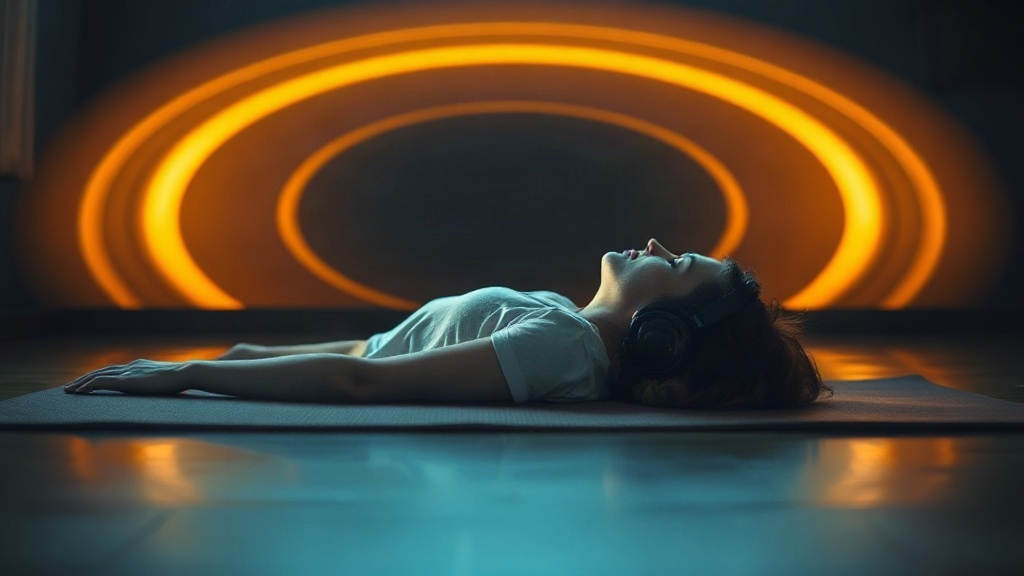
You use healing frequencies by listening with comfortable headphones (or good speakers) during 15 to 30 minutes of quiet, meditation, journaling, or sleep, ideally at the same time daily so the ritual compounds. The tones work as a container for attention, and the practice is simple enough to start tonight.
- For meditation: play the tone softly, sit, breathe slowly, and let the sound hold your attention when thoughts wander. Search any frequency name plus “meditation” for free options.
- For sleep: choose 174 Hz or 963 Hz, volume low, sleep timer on. Tonal audio lacks lyrics, which is exactly why it does not pull the mind awake.
- For journaling: pair a frequency with your writing practice. Our manifestation journaling guide and a 528 Hz track are a natural pairing for scripting and gratitude work.
- For anxiety spikes: 396 Hz for 10 minutes with slow exhales. The combination of slow breathing and steady tone is the actual mechanism doing the work, whatever you believe about the hertz.
- For the bath or commute: speakers over headphones work fine. Background listening still settles a room.
Consistency beats duration. A daily 15 minutes for a month will tell you more than a single 2-hour session, and the daily ritual itself (same tone, same chair, same breath) becomes an anchor the nervous system learns to anticipate.
What are binaural beats, and how are they different?
Binaural beats play two slightly different frequencies in each ear (say 200 Hz and 210 Hz), and the brain perceives a third “beat” at the 10 Hz difference, which practitioners use to encourage specific brainwave states. They are a cousin of the solfeggio tones rather than the same thing: solfeggio frequencies are about the tone itself, binaural beats are about the difference between two tones. The claimed zones follow the standard brainwave map: delta (under 4 Hz) for deep sleep, theta (4 to 8 Hz) for meditation and creativity, alpha (8 to 13 Hz) for calm focus, beta (13 to 30 Hz) for alert work.
Binaural beats require headphones to work (each ear must receive only its own tone), and the research on them, like solfeggio research, is real but modest: studies on attention and anxiety show small positive effects. If solfeggio tones are a bath, binaural beats are a targeted shower. Both relax. Use whichever you keep coming back to.
Do healing frequencies really work?
Here is the honest picture: the specific claims (DNA repair, miracle cures) are not scientifically established, but the practice around them (slow breathing, quiet, sustained calm audio) overlaps almost exactly with interventions that demonstrably reduce stress. Sound therapy research supports relaxation benefits, and there is nothing to lose but 15 minutes in testing whether the tones help you settle. People who report benefits usually report them in exactly the categories music therapy already validates: lower anxiety, easier sleep onset, better meditation focus. Treat the tradition as the map and your own experience as the territory.
One practical note: keep volume moderate. Healing audio played too loud stops healing immediately. If a tone gives you a headache, lower it or switch tones; listening should always feel like relief, never effort.
Frequently asked questions
What are the 7 healing frequencies?
The commonly cited set is 174, 285, 396, 417, 528, 639, 741, 852, and 963 Hz, with the six core solfeggio tones being 396, 417, 528, 639, 741, and 852 Hz. The lower and higher tones come from the extended set popularized after the original six.
What is 528 Hz good for?
In the solfeggio tradition, 528 Hz is the transformation and love frequency, sometimes called the miracle tone, used for deep meditation, gratitude practice, and heart-centered states. It is the most popular healing frequency and the best starting point.
Which frequency is best for sleep?
174 Hz and 963 Hz are the usual sleep picks: the first grounds and relaxes the body, the second is associated with deep unity states. Either way, keep the volume low, use a sleep timer, and choose lyric-free tonal tracks.
Is it safe to listen to solfeggio frequencies every day?
Yes, at moderate volume. Daily listening is the standard practice. The only cautions are volume (keep it comfortable) and the general one that tones support wellbeing but do not replace medical care.
Do you need headphones for healing frequencies?
No, headphones are optional for solfeggio tones and only required for binaural beats, which depend on each ear receiving a different frequency. Speakers work well for the solfeggio set.
Sound is the gentlest tool in the whole practice, and it is free to test. If you want a daily companion for the deeper work, get a free “message from the universe” in your inbox every morning, plus the abundance meditation.